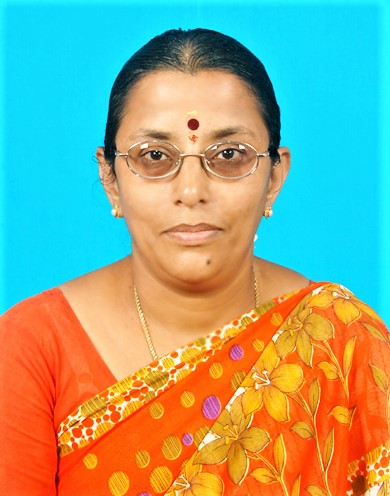
When I asked Sivakamavalli as to how I should address her for this interview, she chose to use her just first name with no initial or surname. A simple, unassuming woman, who exudes strength, purpose and integrity, she has worked tirelessly for over thirty years to empower and bring about real change in the lives of women and children from underprivileged communities. It is a delight to listen to her address an eager group of poor rural woman and educate them about self-reliance and economic independence. I am as much awestruck as them, as she in Tamil outlines the various opportunities and schemes that they can avail off to better their lives and that of their families. Siva believes that in the service of others, we discover our own lives and happiness. Read my interview with her to find out what makes Siva special and a woman who would forge her own path with a little bit of help from her father.
You had a very different childhood compared to other girls, Siva. How was your family different?
I was born in 1968 in a small village in Coimbatore District. I have six siblings, all brothers. My father worked with the Khadi and Village Industries Commission as a Manager and my mother was an elementary school teacher.
I had a very happy childhood. I was the youngest child and the only daughter and was spoilt by my family as a young child. I was never treated differently from my brothers and was treated as an equal. My father believed in giving me the same opportunities as my brothers. I was never asked to do any chores around the house just because I was a girl. I was never made to feel lesser than my brothers.
Your father was a very special man and influenced the path you chose in life. How did he influence you?
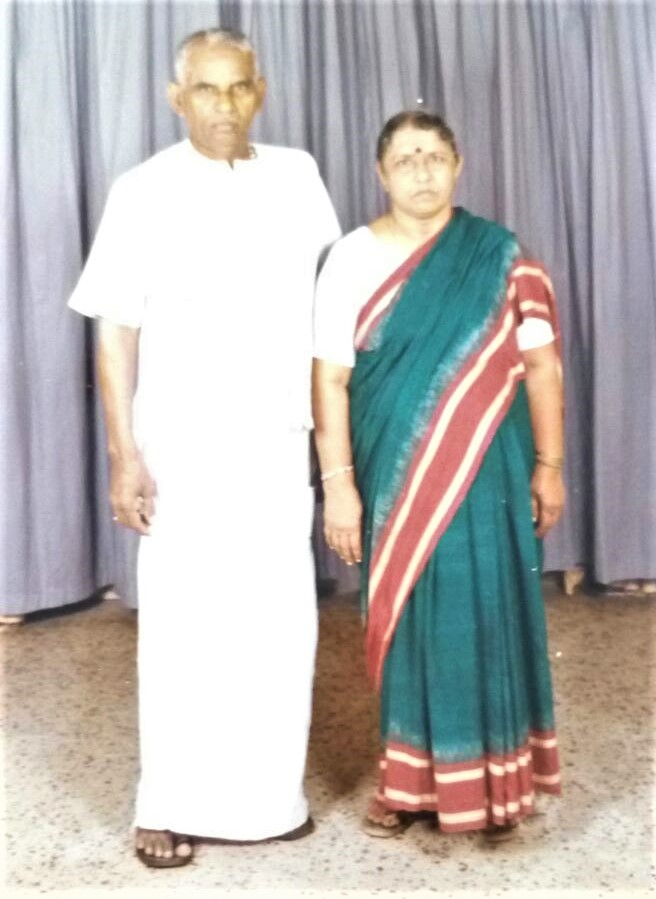
My father was no ordinary man, he was a Gandhian and a freedom fighter. As a young man, he moved away from his affluent family, as he got involved with the Freedom Movement. He spent a few years in Vellore jail. He even stayed with Gandhi in Wardha. He even tore up the card which designated him as a freedom fighter as he had no interest in getting a pension. But I didn’t know much about his involvement in the freedom struggle. I only found out about his contributions after he passed away, from his friends and colleagues.
I finished my Bachelors in Zoology and was keen on becoming a teacher like my mother. But my father had other plans for me. He convinced me to enroll in a masters in Social Work. I had no idea what the course entailed and decided that I would grit my teeth and finish it somehow. After I finished my Masters, I took up a job as a counsellor at a private counselling center in Coimbatore My job was to resolve family disputes, help with career guidance etc. It was then that I realized that I had lived my life in a bubble shielded from issues and problems that people face. It was the first time I encountered the problem of dowry and its impact on families. I encountered families who thought it was a sin to give birth to a girl child and wouldn’t hesitate to abandon or maybe even kill her. These issues impacted me strongly and I began to realize that this was a journey that I was meant to take. My father had made the right decision for me.
A very special man came into your life when you started your journey in the social sector, didn’t he?
I worked at the counselling center for several months and then got a job with a non-profit in Dharmapuri My job was to identify new born with low birth weight and ensure that their nutritional needs were met. We use to make health mixes with supplements for expectant mothers and ensure that Antenatal care (ANC) was provided by skilled professionals throughout their pregnancy. (Antenatal care includes risk identification and screening, prevention and management of pregnancy-related or concurrent diseases, and health education and promotion) I used to stay in the office itself and used to go to my relatives houses during the weekend.
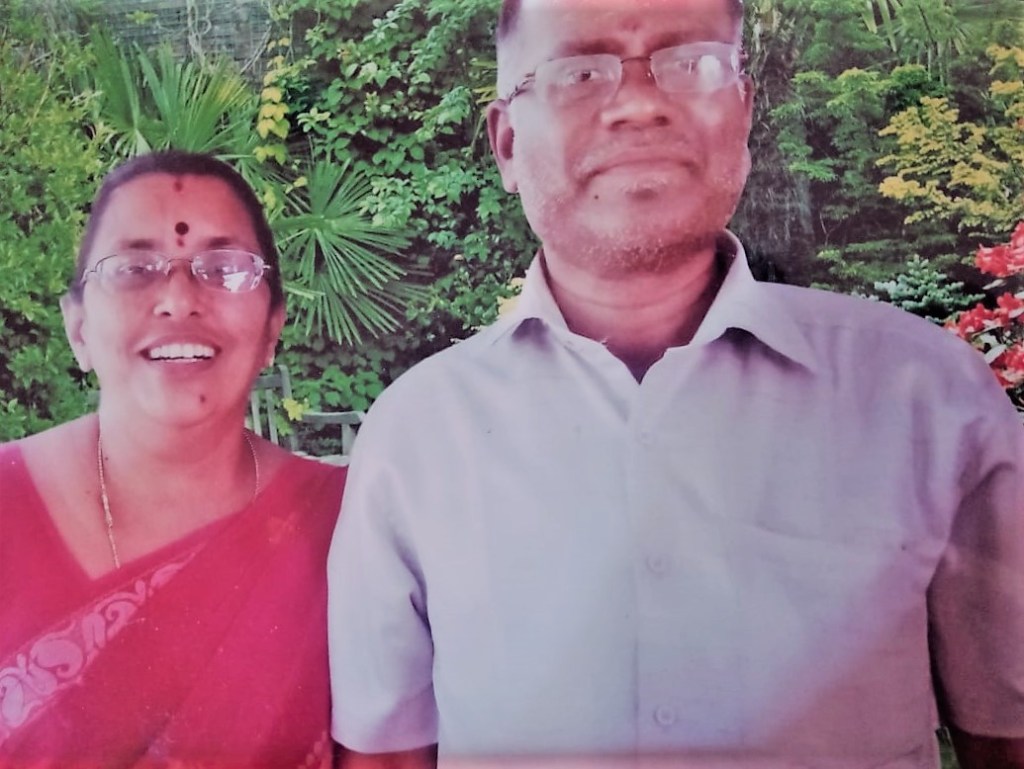
I was 22 years old. It was here that I met my future husband, Muniyandi. He was in charge of the women’s health project where I worked as a coordinator. He was from a different community, but in mind there was absolutely no doubt about him. I fell in love with him because he was a simple person who was very committed to social change and wanted to empower disadvantaged communities. He was keen on working with the downtrodden and he became a role model to me like my father.
Though I was young, I was very sure of myself and my feelings. I was very particular that I would not marry anyone else if my family members opposed my marriage. My brothers were not very keen but agreed to the marriage after my father gave us permission to get married. We had a very simple marriage and moved to Pandamangalam in Namakkal District. My husband had registered a non -profit in that area as a friend had told him that that the surrounding area had a high incidence of female infanticide. We started working in the local villages and began doing street plays on female infanticide amongst the general populace. We also began to focus on other issues, such as the plight of women and children from marginalised communities such as Dalits. In 1996, I got a grant from State Social Welfare Board to run creches for working mothers who could leave their children in a safe and secure space when they were engaged in farming or other forms of physical labour. We had no staff, only volunteers and worked from home as we could not afford a separate office space.
Then in 1998, after we applied for and got FCRA (Foreign Contribution Regulation Act) which enabled us to get funds from abroad, we were able to get a grant from Development Promotion Group for women Empowerment. We were able to form self-help groups with poor rural women, get them to put aside small amounts of money as savings, and give them micro loans to initiate small businesses. We were able to help many women to engage in supplementary livelihoods and earn extra income that helped with their children’s education or address health needs. This project gave me a lot of satisfaction.
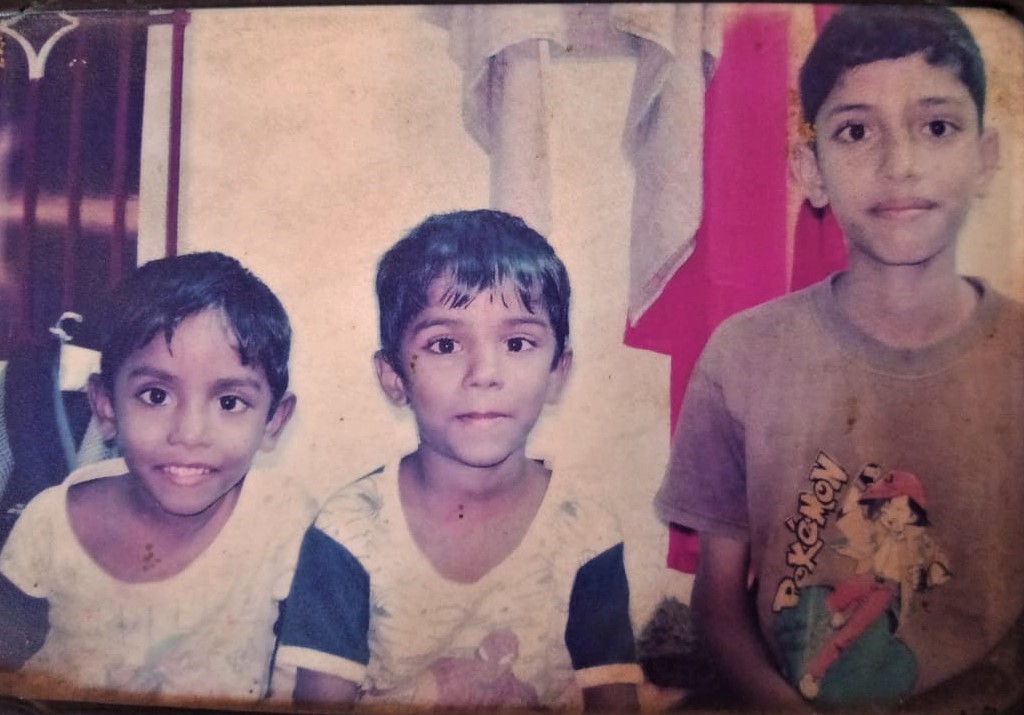
On the personal front, my older son was born in 1994 and my twin sons in 2001. We slowly began to get more support for our work in Namakkal District.
Please tell me about the non profit that you run and the work you do?
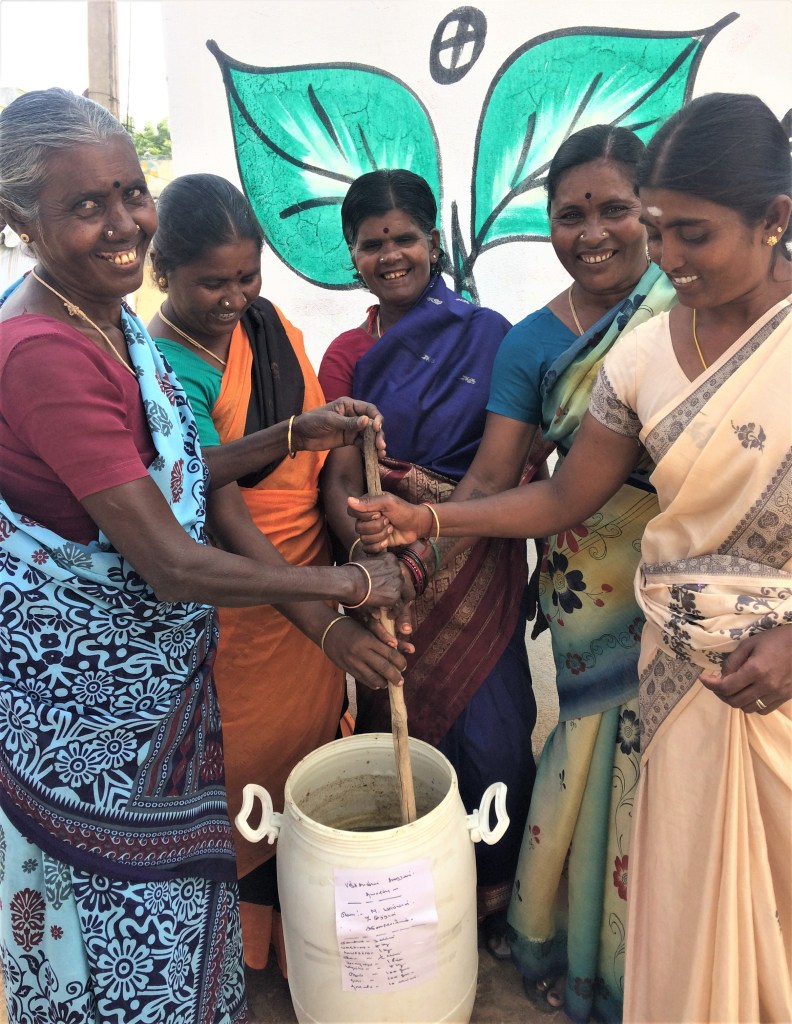
We started Women Organisation for Rural Development (WORD) in 1991. Its initial focus was to challenge the oppressive and discriminatory practices (such as female infanticide, dowry, sexual abuse, etc.) against women in Namakkal District. But subsequently, we began to focus on marginalized communities such as Dalits and tribals and looked at issues that impacted them such as lack of remunerative livelihoods, the degradation and depletion of the natural livelihood resources like soil and water and its impact on farming. We also focused on enhancing community health, especially the prevention and transmission of HIV/AIDS in surrounding areas. In recent years, programs have focused on the empowerment of women and adolescent girls through skill training, employment generation and addressing rights-based issues such as child labour and child marriage.
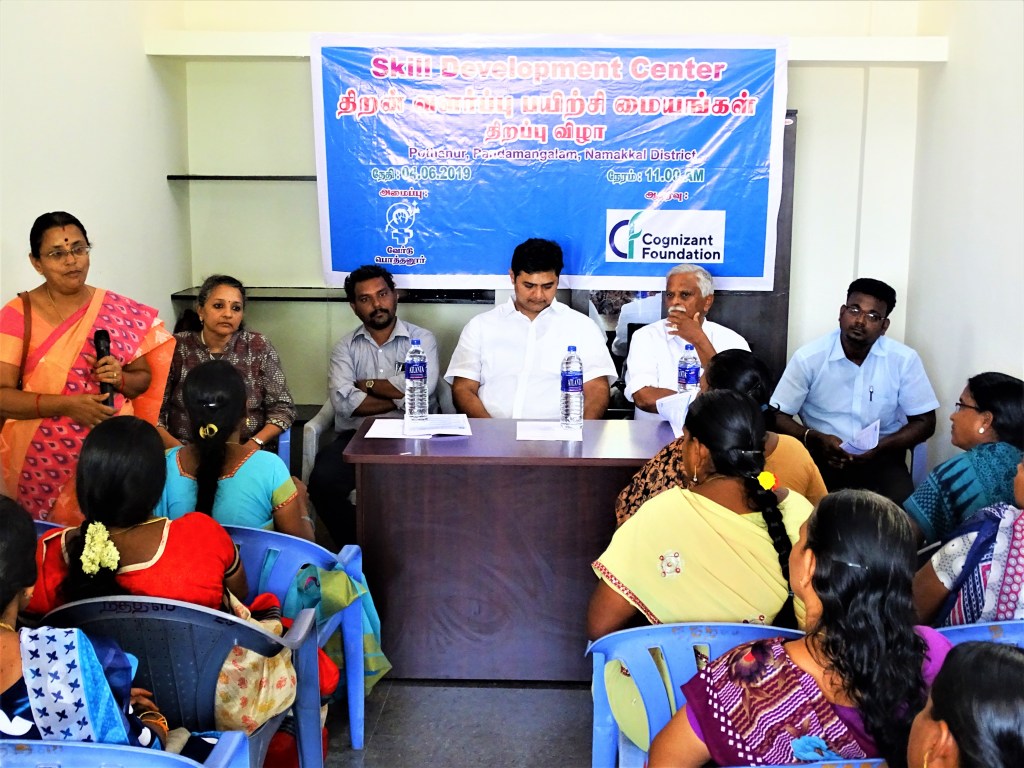
With support from FCRA funds, we have worked on various types of interesting projects. We got funding from HEKS, a Swiss Foundation and Jeevika Trust, a UK based group, to support famers adopt traditional farming practices and engage in organic farming. We also ensured that the farmers were able to sell their produce at fair prices. With support from Tamil Nadu AIDS Initiative, we were able to conduct a HIV/ AIDS awareness and prevention program for transgenders and sex workers. We also started a senior citizen home in 2002. We found a lot of abandoned senior citizens at bus stops and at the railway station. We initially started a Day care centre where families could drop off seniors for activities and mid-day meals but then were able to purchase some land and construct an old age home with private donations in cash and kind. We now have about thirty senior citizens staying at our premises and we are very lucky that we have benefactors who provide support for their daily meals and other basic requirements. We are also able to provide free health care through the Primary Health Care centre and the nearby Government Hospital.
We also ran an adoption centre earlier as many children were being abandoned. The Tamil Nadu Government had a Thotil Thittam (cradle scheme) were women and families who wished to give up their babies for adoption, could do so anonymously and without any stigma. But we eventually had to shut down the centre as there was very little awareness amongst rural communities regarding adoption. The adoption procedures also require a lot of paperwork and regular court appearances and this was taking us away from our other program activities.
Another very interesting and challenging program which was supported by Freedom Foundation, was focusing on child labour in textile mills in Namakkal District. We organised programs in villages that created awareness on the evils of child labour and how it impacted the rights of children to education, health and protection from abuse and exploitation.
You have also received several awards for your contributions in the field of social work
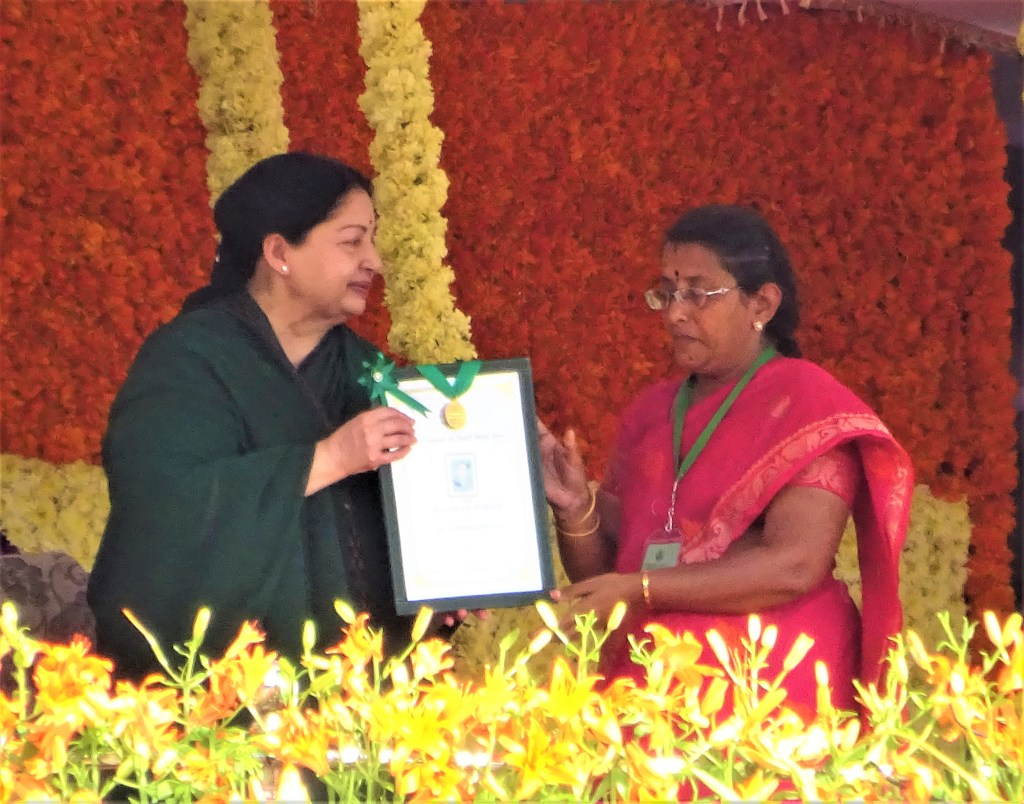
I got an award in 2015 from the then Chief Minister of Tamil Nadu Dr. J Jayalalitha. It was for the Best Social Worker from the State and was awarded to me as an individual. I honestly never expected the Award and it was an incredible honour to receive it. In 2004, WORD received an Appreciation Award for constructing 1000 toilets in the Kabilarmalai Block of Namakkal District as part of the Total Sanitation project. In 2006 we got an award for starting consumer clubs in schools, and educating children about the Consumer Act and its implications. I was also recognised as a Woman Leader by Cognizant Foundation on the occasion of International Woman’s Day 2022.
What kind of work gives you the most satisfaction?
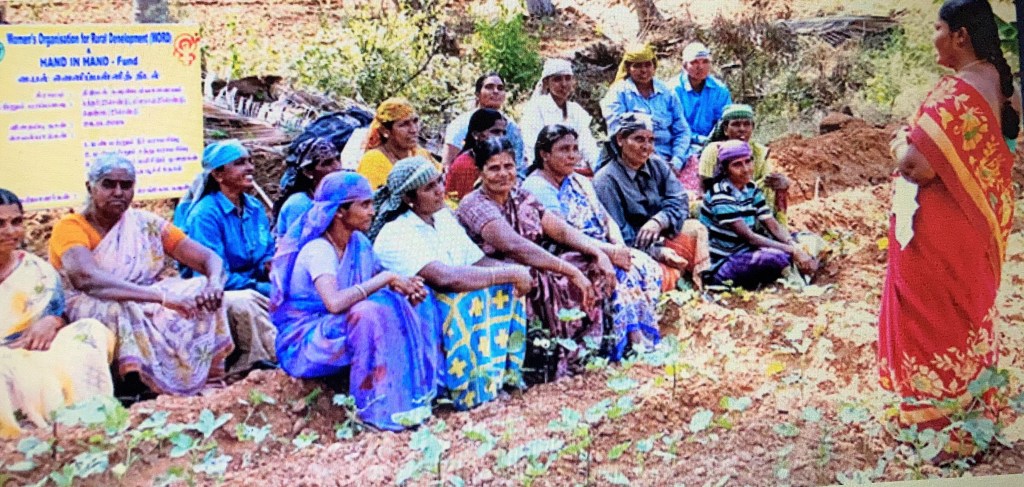
I have always loved to work on women’s empowerment. Women and girls from adolescent communities have never been given the space or freedom to make decisions for themselves. Women play various roles as mothers, wives, daughters and care takers and also contribute to the family income, yet receive very little in return. In addition, they encounter several challenges such as dowry, female foeticide, marital violence, denial of inheritance etc. We have now been working for about thirty years in the field, and have been able to bring about a socio-economic change in the villages we work in. We have been able to make women more self-reliant, and economically independent by providing them loans for their financial needs or to finance their micro businesses. Women are able to contribute to the family income and have a say in decision making.
What work has been most challenging for you?
Working on child rights, especially in the sphere of child sexual abuse has been very difficult for me. There is no security for the girl child in this country. Sometimes they are abused by the very people who are supposed to protect them. It is unfair and horrifying that their basic rights to protection, love, respect and dignity is being violated. As a Child Welfare Committee member for Namakkal District, I found it extremely difficult to deal with the issue. There are so many laws to protect the child, but there is very little awareness among parents and community members regarding this problem.
Do you have expectations from your children like your father from you?
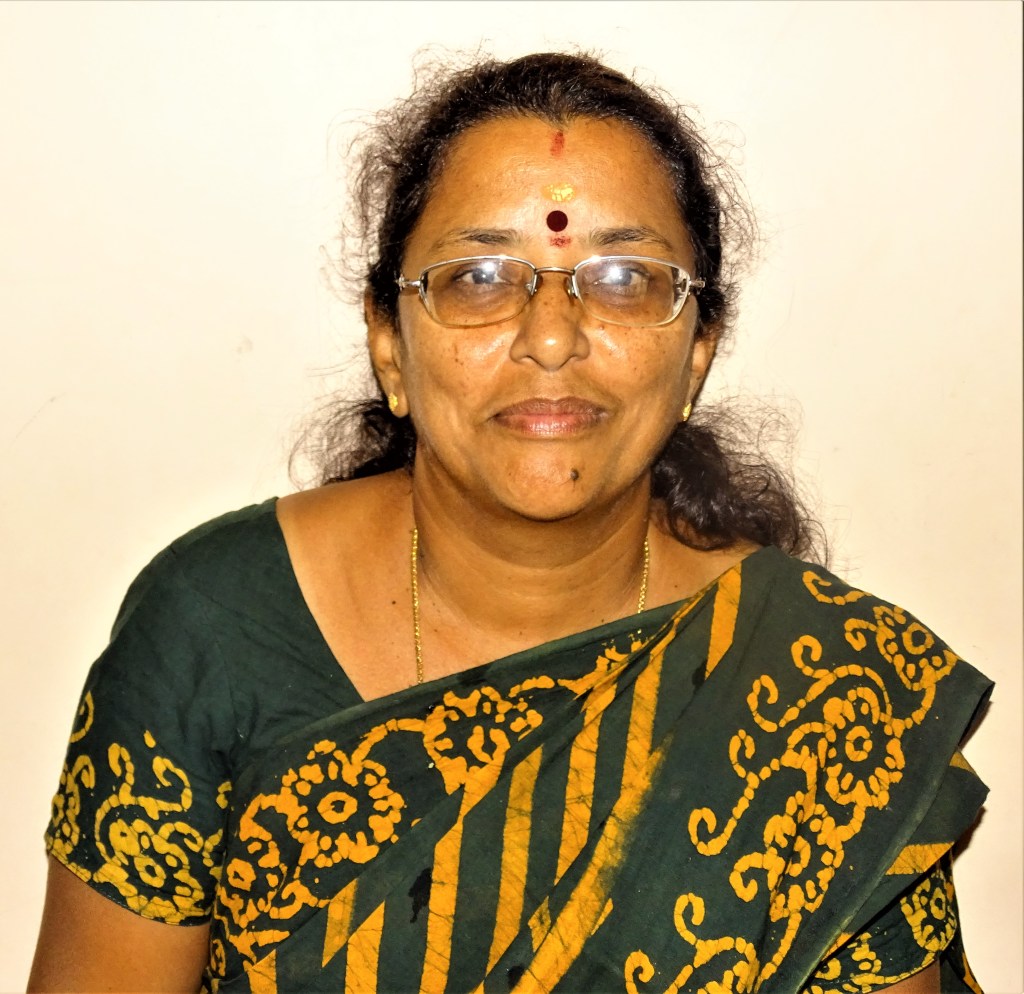
I have no expectations from my children and don’t expect them to take over after me. I will never force them to work in a non-profit or in any other field. I have always allowed them to lead their life the way they want. They are adults now and know what’s best for them. Personally, my work has kept me so busy and there have been many days when I couldn’t spend enough time with them. They all now are busy with college and work and live away from me. I just want them to be happy and content doing what they want to do.
 women uninterrupted
Brave lady who shows self motivation can take people places. The willingness and passion to help and guide others is a very noble act of service
LikeLike
Brave lady who shows self motivation can take people places. The willingness and passion to help and guide others is a very noble act of service .
LikeLike