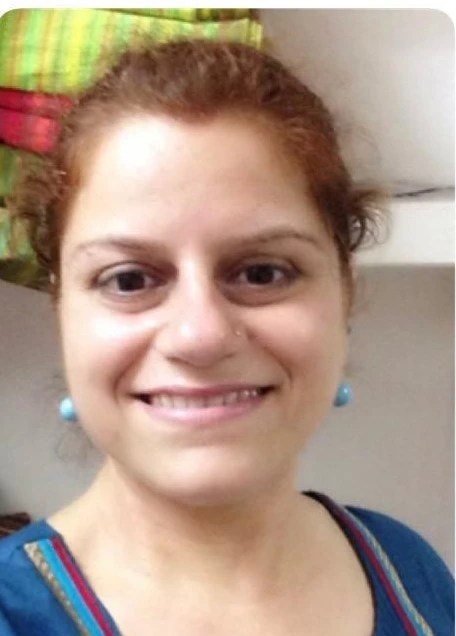
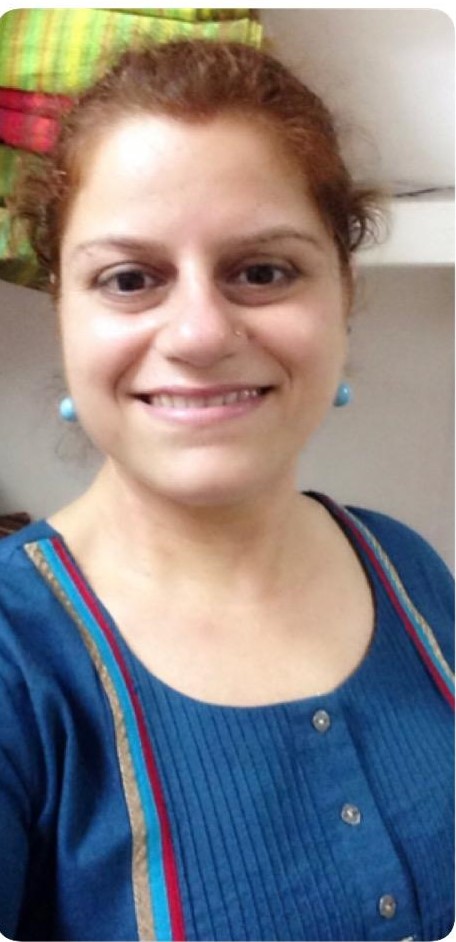
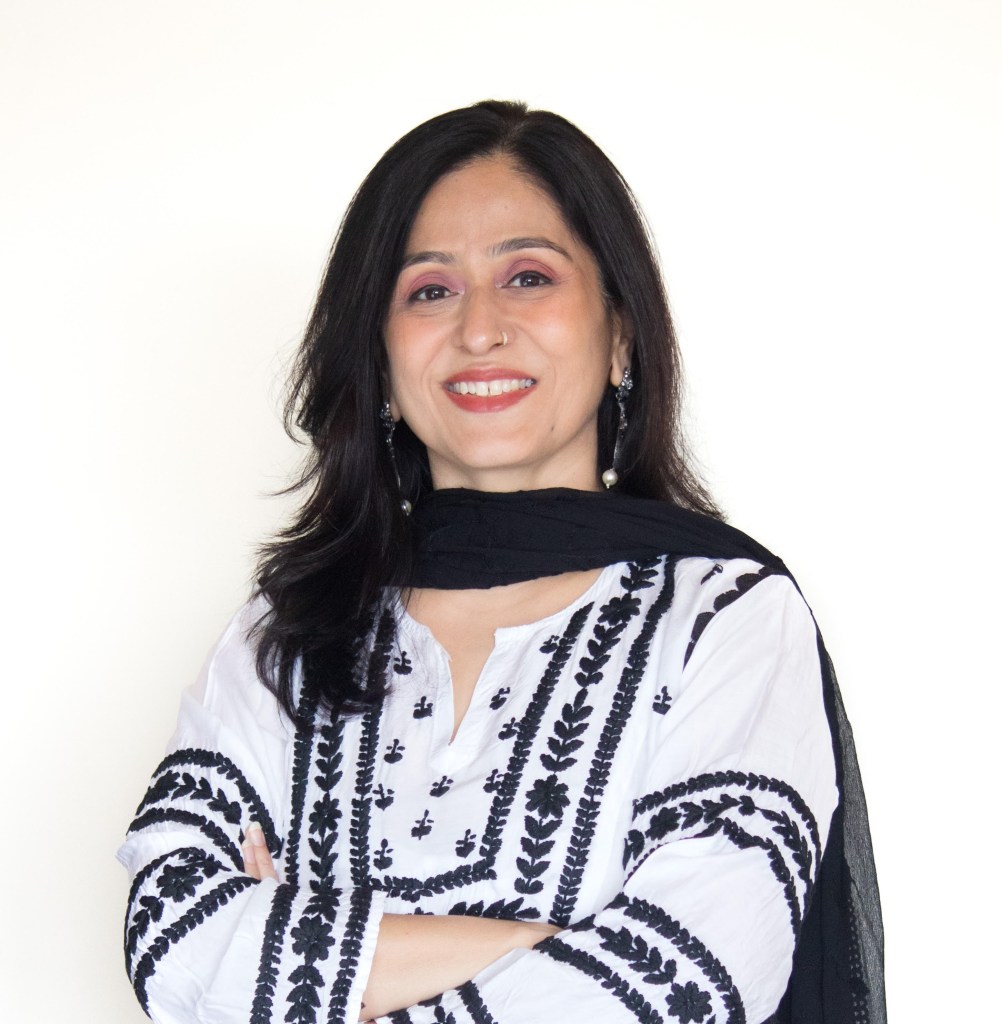
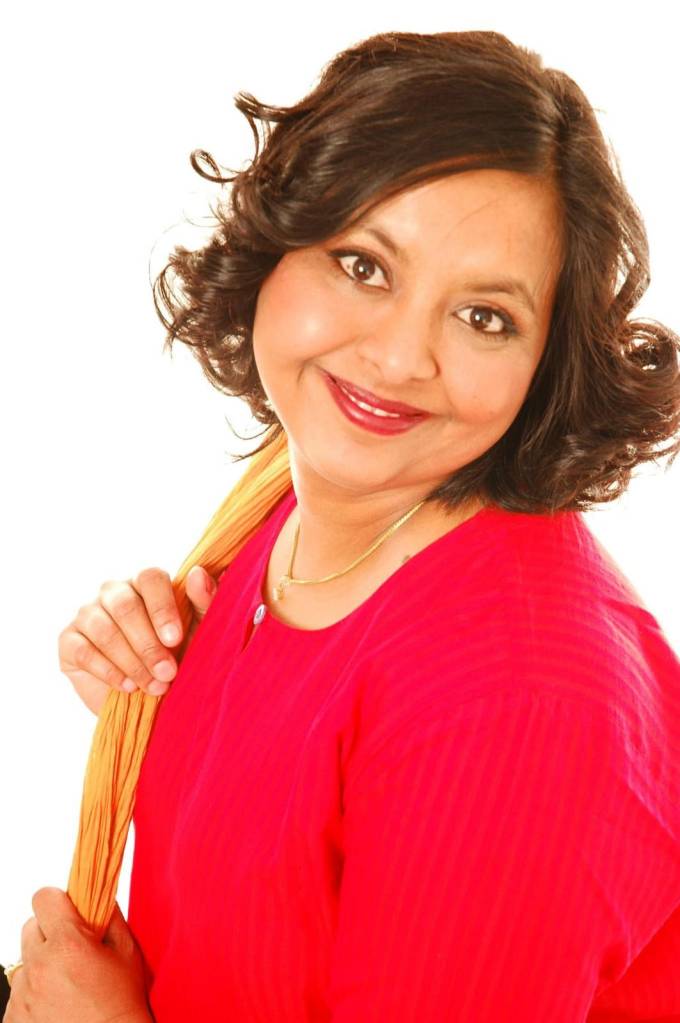
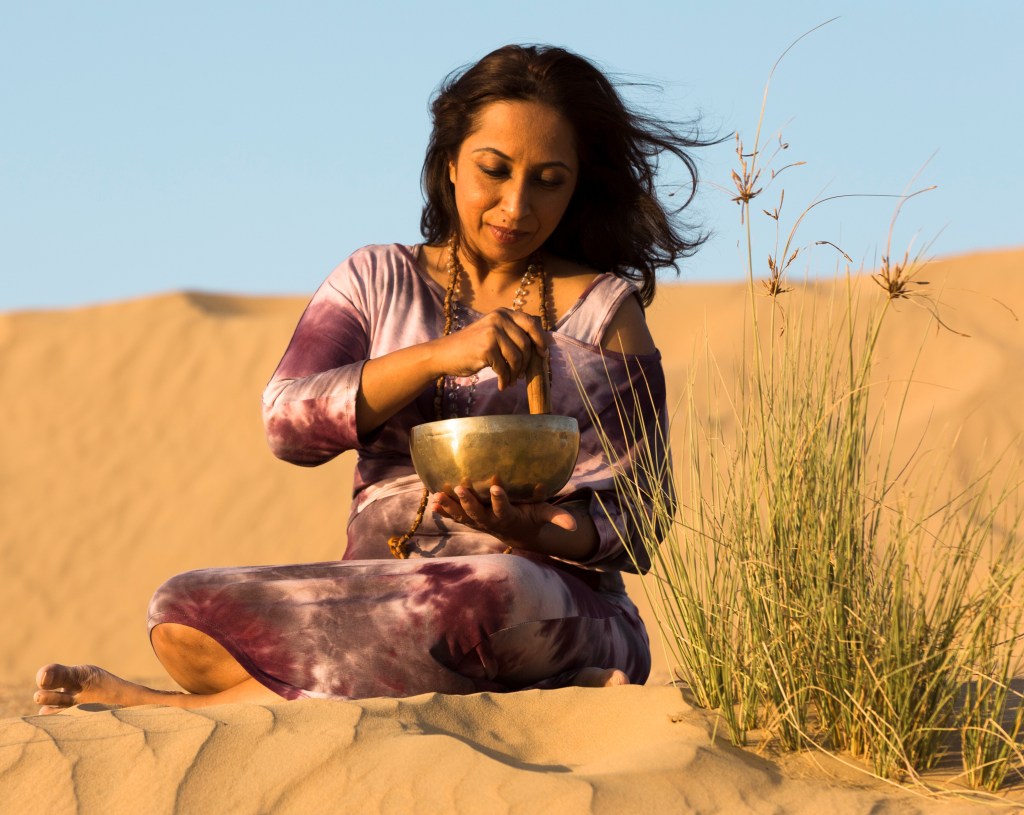
Tapasya Kaul Rajaram surprises you with her candour and honesty. Her life has not been easy. The journey was often overwhelming for Tapasya, but she met every adversity with resilience and courage and embraced every setback as a stepping stone to success. Read about her journey and her unique ability to acknowledge and appreciate herself and the universe despite all that life has thrown at her.
Tapasya, I would like to ask you about your childhood experiences and the impact it had on your life .
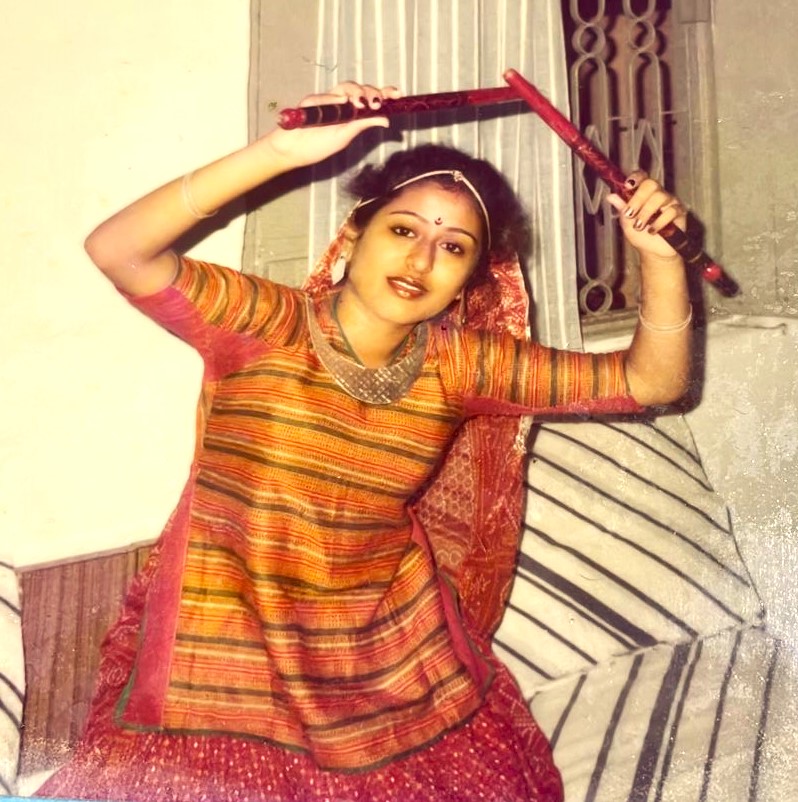
I am from a Kashmiri Pandit family. I was born in Kanpur my father was with the army and then with the Central Industrial Security Force (CISF) and my mother was a teacher. This meant it was a transferable job and we had to move around a lot. I am the elder child and then there is my younger sister, who is five years younger than me. My schooling was at Kendriya Vidyalaya (KV) schools all over India – Chennai, and Mumbai, but the years I remember the most are the ones I spent in Begusarai in Bihar where I did my high school. Adolescence was difficult for me.
There was this one incident during this time that impacted me. One of the jawans who reported to my father, was upset because his leave had not been sanctioned. I guess he knew that I was the daughter of the family. It was Holi and I was walking on the road near my home. He grabbed me from behind and started misbehaving with me. He made me very uncomfortable. I was fourteen and it was very traumatic for me. After that, I never played Holi. I don’t have good memories of the festival and that memory remains with me even today.
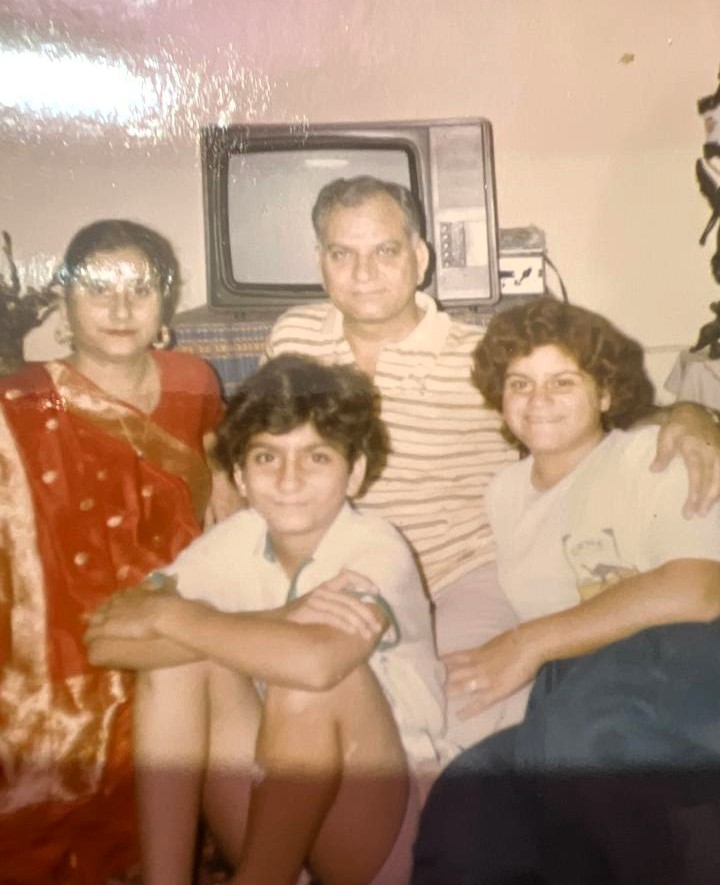
But there are good memories too. With the CISF, one always felt a sense of community and people were always there for a fellow officer and their families. Every time we shifted; people would invite us to their house. We were exposed to so many different cultures, cuisines, and perspectives.
I did my English Hons at Delhi University. I wanted to be a doctor, but my mother felt my grades were insufficient. After graduation, I changed my line completely. I decided to get into something technical, as I was not interested in doing my Masters in English. I did a two-year course in software engineering from NIIT. I then worked with the technical help desk of a software company.
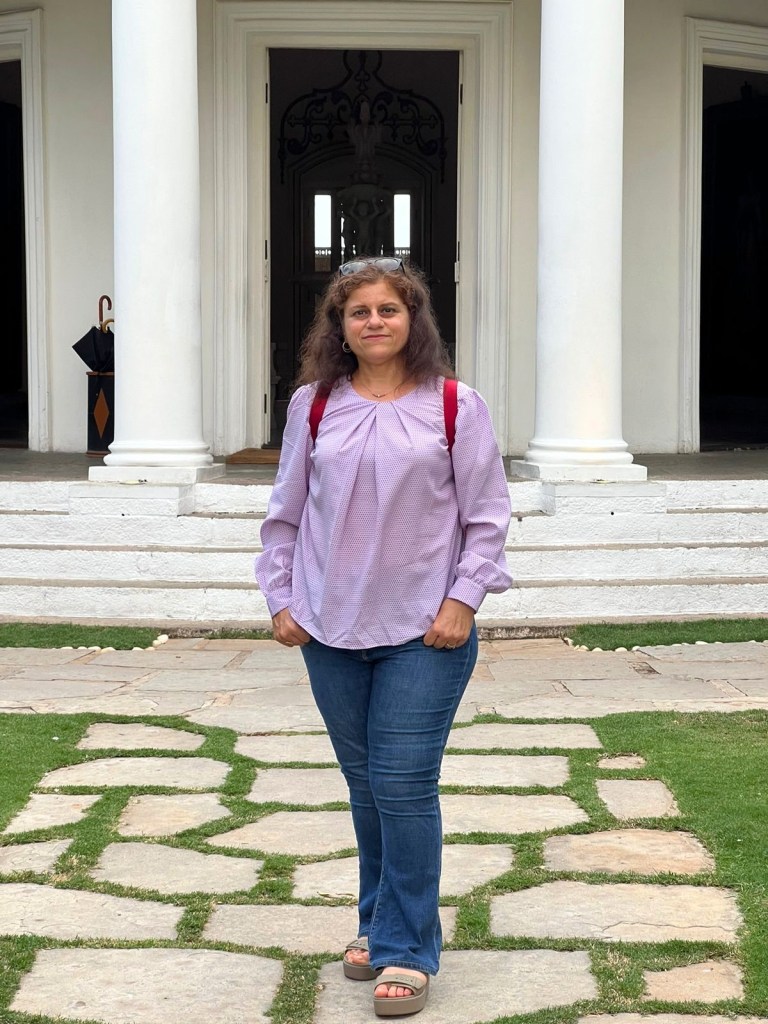
Your first marriage changed your life in more ways than one. Are you ok with sharing your experience?
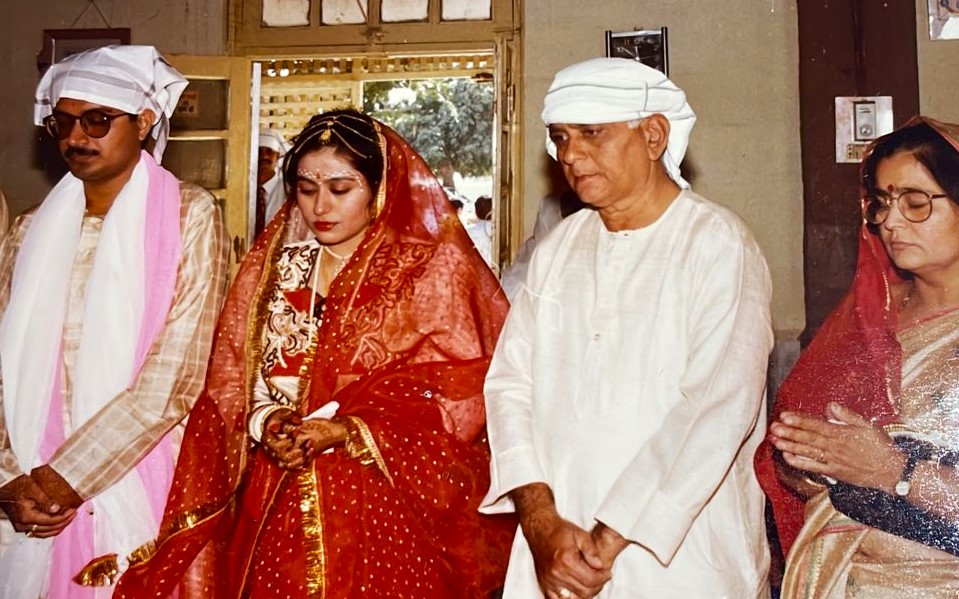
I got married in 2007 when I was 33. I met a man recommended by my father and the marriage took place. I felt grateful that he had accepted me, as I had already been rejected by so many potential suitors. I was so excited that someone was interested in me. He had a good job and most importantly he was based in Delhi. But it was a short-lived marriage, it only lasted for about 100 days.
We went to Malaysia, on a honeymoon, but my husband was constantly sick with nausea and fever. From the very beginning, he was critical of my weight, always mocking and belittling me. After we came back, we never had a normal relationship. There was no real communication between us. The relationship was not great from the very beginning and I felt a sense of foreboding. The future seemed dark, there was no sense of happiness.
One month after I came back from Malaysia, I missed my period. The doctor confirmed that I was pregnant. Like every other pregnant woman, I was asked to do an HIV test. But I knew something was wrong when the hospital delayed getting back to me with the results. They told me that they had lost my sample and that I had to do it again. When the doctor called me and asked me questions about my marriage and my partner, I was bewildered. When she asked my husband to get tested, he initially refused. Both of us were found to be HIV positive. In those days awareness about AIDS and HIV was low. In addition to HIV, he also had other venereal diseases.
My husband was evasive and refused to take any responsibility. I was also reluctant to tell my parents about what happened. My father had a heart issue and I didn’t want to upset him. It was very stressful for me; I was devastated. The shock made me lose my baby. Despite this, I tried my best to stay in the marriage. But my husband started drinking and became abusive and in denial of his condition. His parents blamed me and told their extended family that I had passed on the disease to him. I was depressed and couldn’t take it anymore. I eventually told my parents the truth and they supported me through the process of getting a divorce. My husband made life very difficult for me and was not willing to give back the things my parents had gifted me during the wedding. Fortunately, the judge was sympathetic and the divorce by mutual consent was granted quickly.
Post-divorce, it must have been a traumatic time for you.
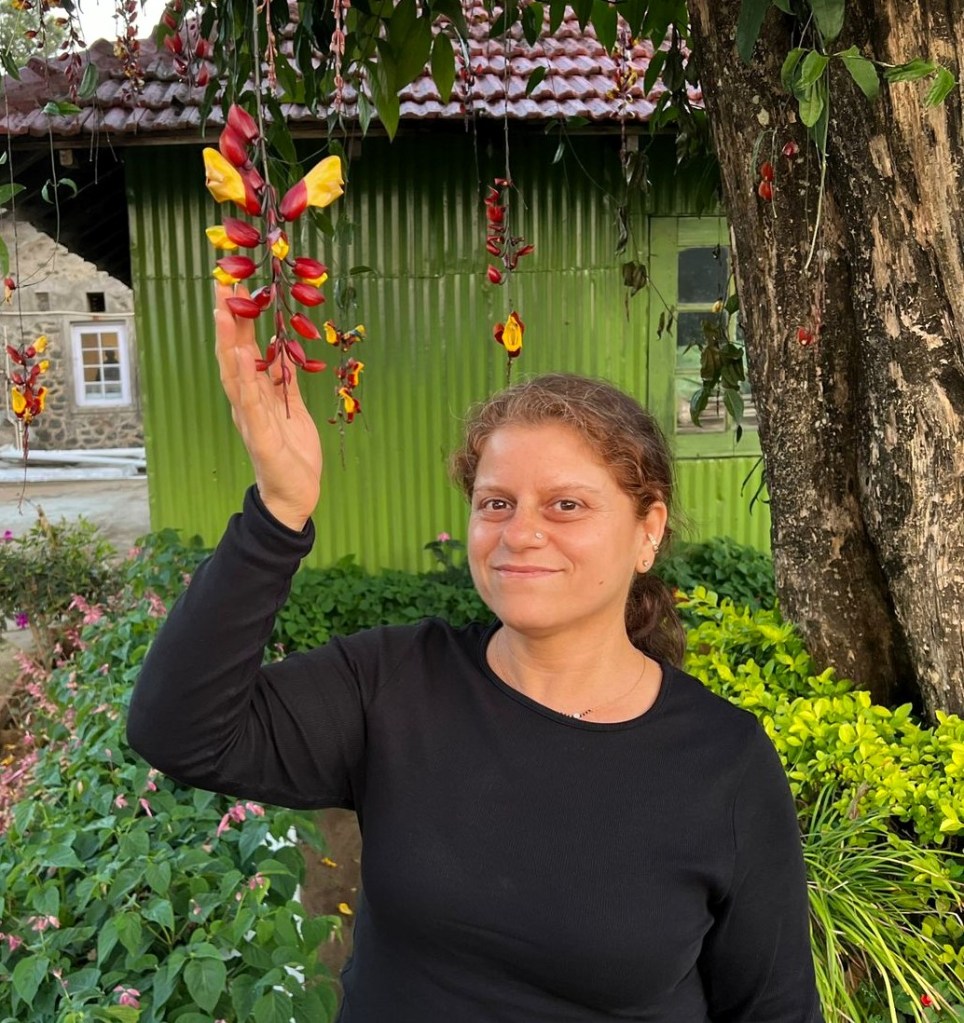
I became paranoid after that. I was so worried that I had some venereal disease in addition to HIV and I would get myself checked regularly. I was paranoid about my health. I was depressed and miserable. I was over 110 kgs in weight, fighting diabetes and obesity, and very depressed. I suffered from heavy bleeding during menstruation and felt very weak. When my CD4 count became very low, I had to start my ART ( anti-retroviral therapy) treatment to avoid getting opportunistic infections
I quit my software job because all the senior employees knew what had happened and also knew my husband. I felt so humiliated. I did not want to meet anyone. I did not want to meet family or friends. My friends were encouraging me to work and go out, but I was not able to make any decisions. I was incessantly crying and depressed. Mental health was swept under the carpet then, it wasn’t discussed openly. Eventually, with time I was able to go out and get a job. I joined Bachpan Bachao Andolan, a non-profit that focuses on child rights. Focusing on development issues allowed me to look at my problems through a different lens. I was slowly able to emerge from my shell. But I was lonely and yearned to find a partner who could love me for the person I was.
But when things fall apart, it can be a sign they may be falling into place, isn’t it?
It was around that point in time, that a friend of mine, introduced me to Dr Suniti. (Suniti Solomon was a physician and microbiologist who pioneered AIDS research and prevention in India after having diagnosed the first Indian AIDS case in 1986). She came to Delhi to meet me, a lady of that stature, for a special reason. I had expressed my intention to find a partner who was also HIV-positive like me. She had found someone who was a potential candidate and came all the way to meet me to see if there was a potential match. A documentary was being made by the famous filmmaker duo, Ann S Kim and Priya Giri Desai on single people with HIV who were interested in finding a partner. I was open to the idea of getting married again, but I was determined that this time around I would find the right person. I have been living with HIV since 2007. I was ready to move on and find happiness and stability in my life.
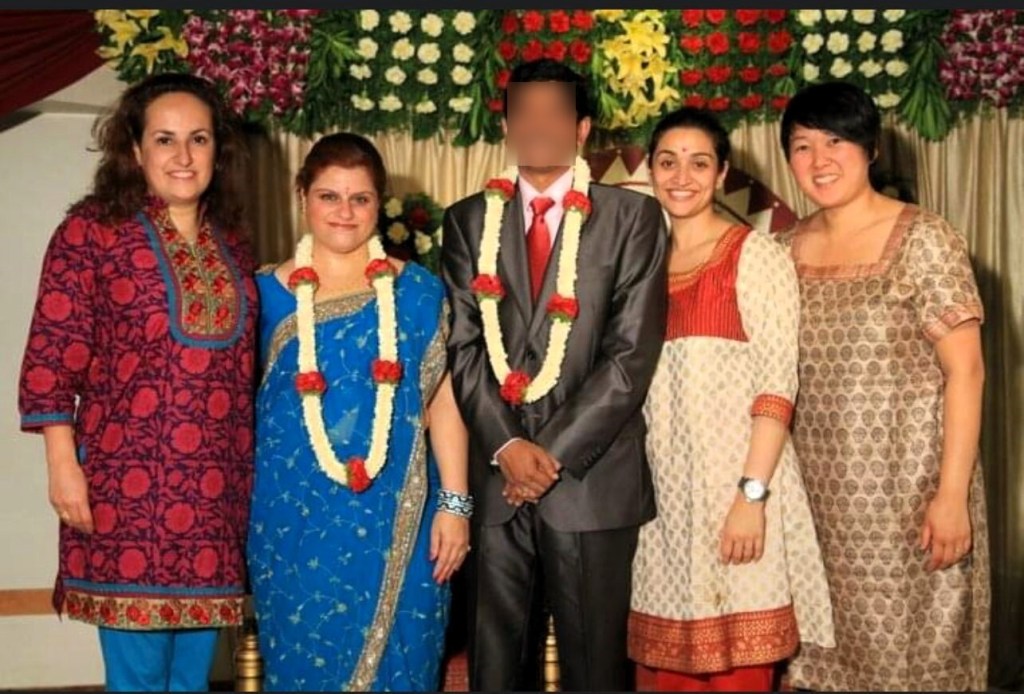
Suniti also gave me much-needed medical support and helped me treat my condition. It was Suniti who first introduced my future husband Kartik (name changed) to me. The documentary makers were already following Kartik for three to four years when they met me. Kartik and I got introduced to each other and there was an instant connection. First, we talked on the phone, and over time met each other a few times. Both of us were open to the idea of finding a partner, but we had to contend with being in a long-distance relationship. I was in Delhi and he was in another city. He used to write me long emails that talked about his perspectives and his values, which were very compatible with mine.
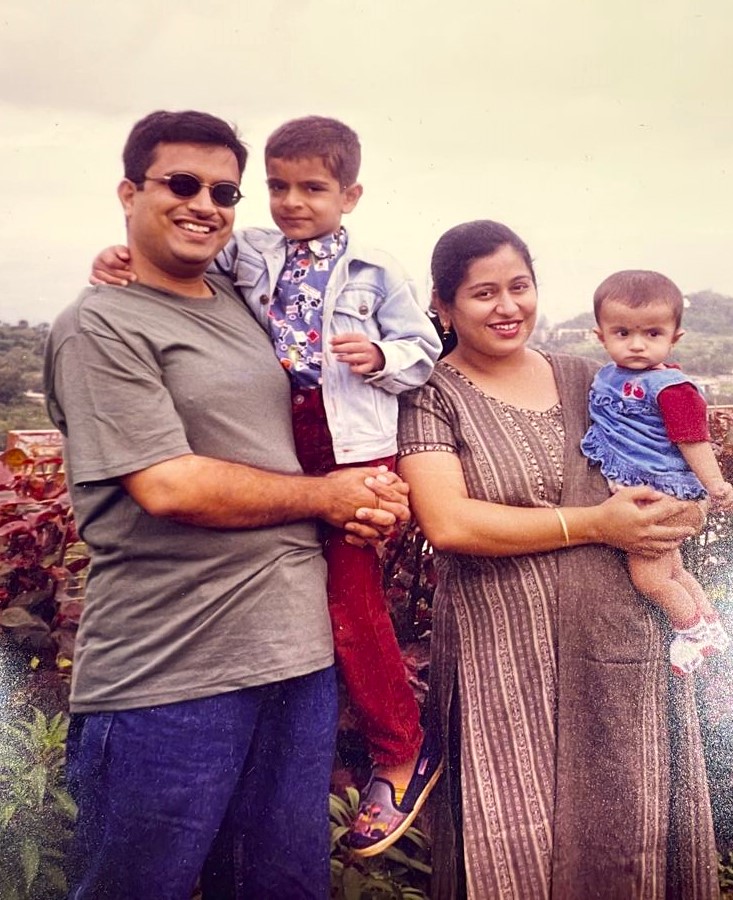
We met each other’s families after communicating via email and phone for over four months. When Kartik finally proposed to me, I decided I would marry him and move to city that he lived in. It wasn’t easy moving to an alien city and live with a family who were very different from me. It took me a long time to adjust to the city and his family, but Kartik was kind and supportive.
After you got married, you decided that you would take charge of your destiny and live life on your terms.
In 2013, I decided that I would do a Master’s in Education and managed to get into Azim Premji University. I moved into the hostel. The course was academically rigorous and allowed me to look at education with a fresh eye, and learn new techniques and perspectives in research and paper writing. My husband meanwhile took up a job in Africa. We were apart for two years. After I finished my course, I moved to Africa and worked in a school as an Assistant Principal. In 2015, we moved back to India and started working in the non-profit sector in various capacities.
For much of your life, you have been plagued by weight issues. How has that impacted your life?
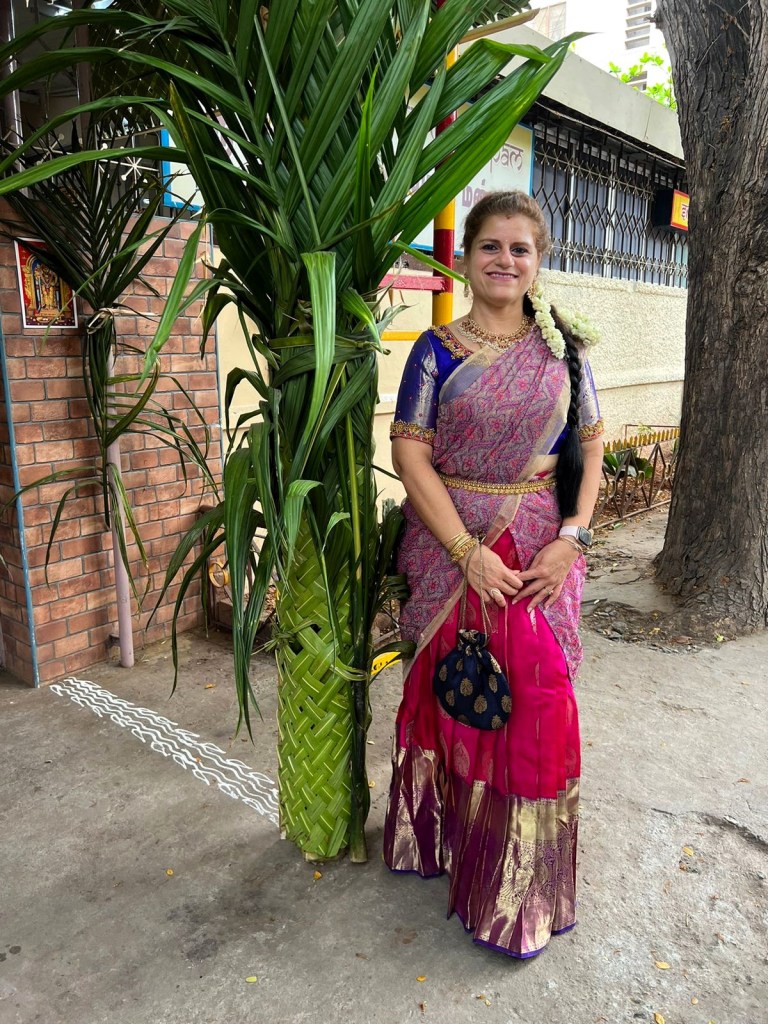
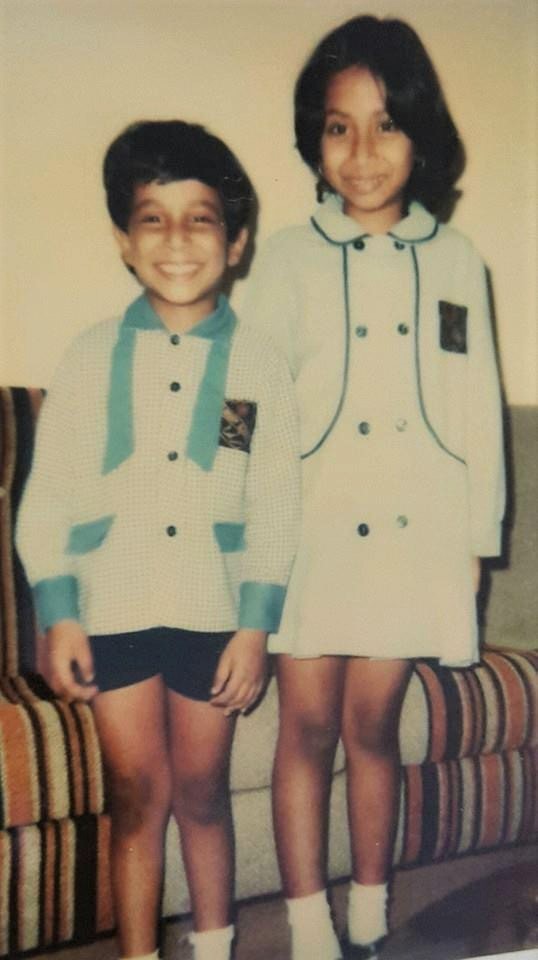
I was always fat. I was body shamed and ridiculed as a child by family and friends. My sister was thin and I was always very fat. I couldn’t fit into any ready-made clothes and my mother had to get my clothes stitched. My size was not available. My relatives always commented on my weight and compared me to my sister; my pet name was Moti. Whenever I got stressed, I would end up eating fried and fatty foods. When my parents started looking for a groom for me, I was rejected for my weight. I got rejected so many times, that I was so stressed and depressed.
In retrospect, if I think about all the guys who came and saw me and rejected me, it’s hilarious but at that point of time, it really hurt and upset me terribly. I remember an incident clearly. I was working in Infosys and my father arranged for a guy to meet me in 2005. We met at a KFC outlet. I remember that he never bothered to even enquire if I ate meat. I was and am still a vegetarian. He just went ahead and ordered chicken without asking me what I wanted. He met some of his colleagues and didn’t even bother to introduce me to them. I was so upset and humiliated, that I just wanted to leave. I was so tired of this—my early 30s. I was also being blamed because my sister couldn’t get married till I did.
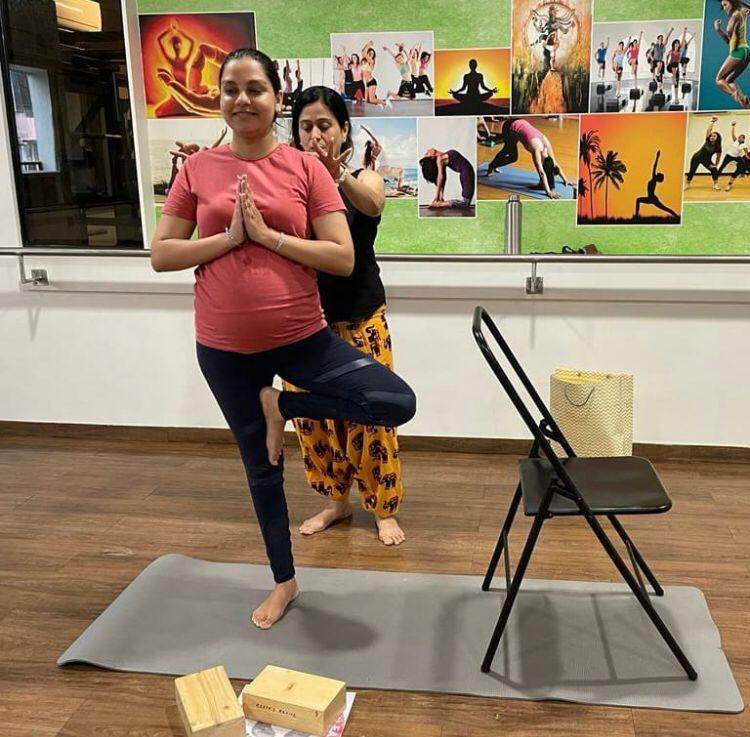
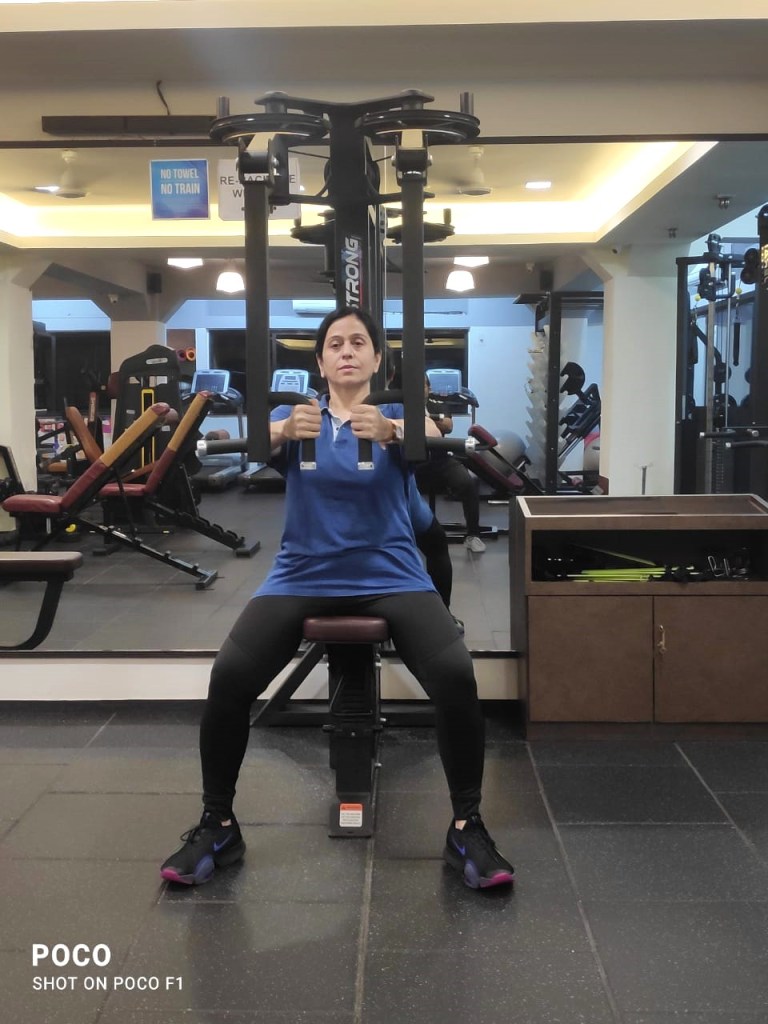
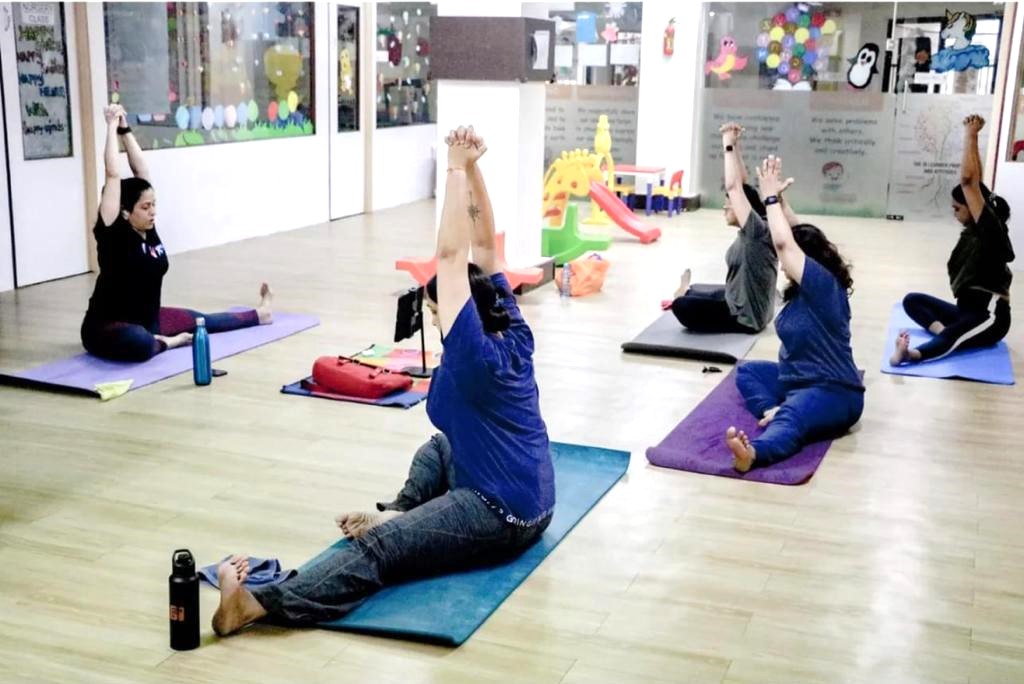
Weight has always impacted me all my life, I go through this vicious cycle, where I gain weight easily. I can’t afford to be even slightly careless about my diet and any emotional or mental issue that I face translates into weight gain. After I got married for the second time, my husband gave me the confidence to be comfortable with the person I was. He accepted me as I am and loved me for what I was and am. I began to focus a lot more on my health and well-being. Initially, it was all about losing weight and looking slim, I was also diagnosed with cervical spondylitis and the doctor wanted me to go in for surgery. I was not keen on that and the only way to deal with this issue was to lose weight. I began to look at this challenge holistically. My relationship with food began to change. I was mindful of what I ate but I also began to examine the process of eating and the type of food I consumed. I began to take my time when I consumed a meal and ate with intent and focus. I also supplemented this with exercise and meditation and it made a huge change in my life.
Tell us about the documentary on Kartik and you. There was also a book released on your journey together, isn’t it?
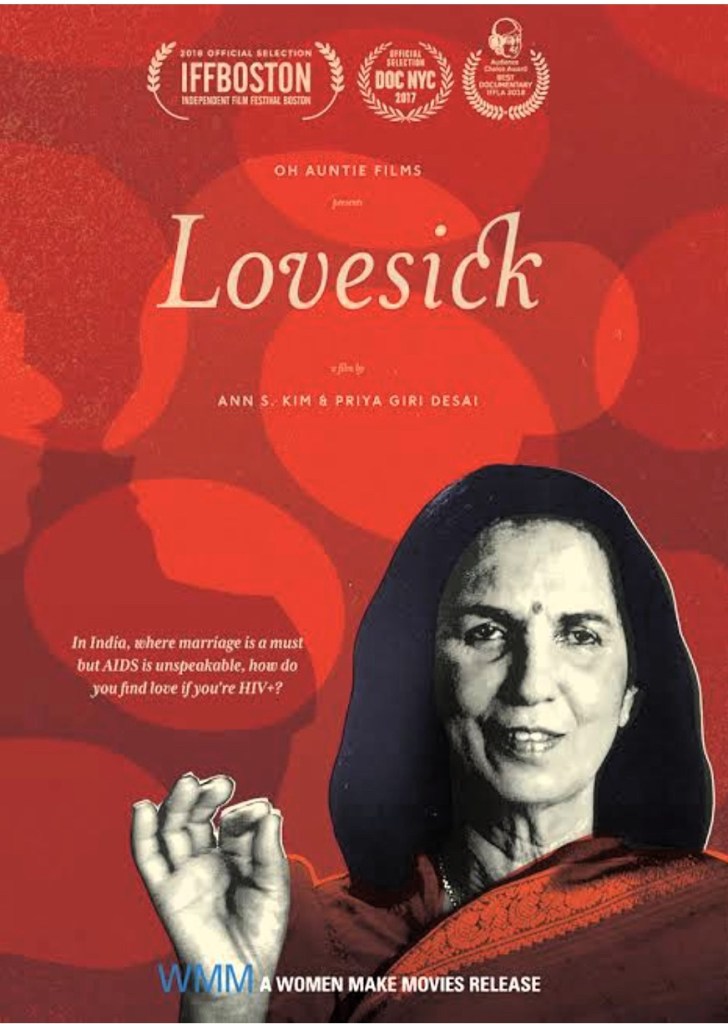
The documentary called Lovesick was eight years in the making. It started in 2008 and was eight years in the making. It interweaves our story ( Kartik’s and mine) with Dr. Solomon’s personal and professional journey. Our lives, views, and perspectives were depicted with a lot of empathy, compassion, and humour.
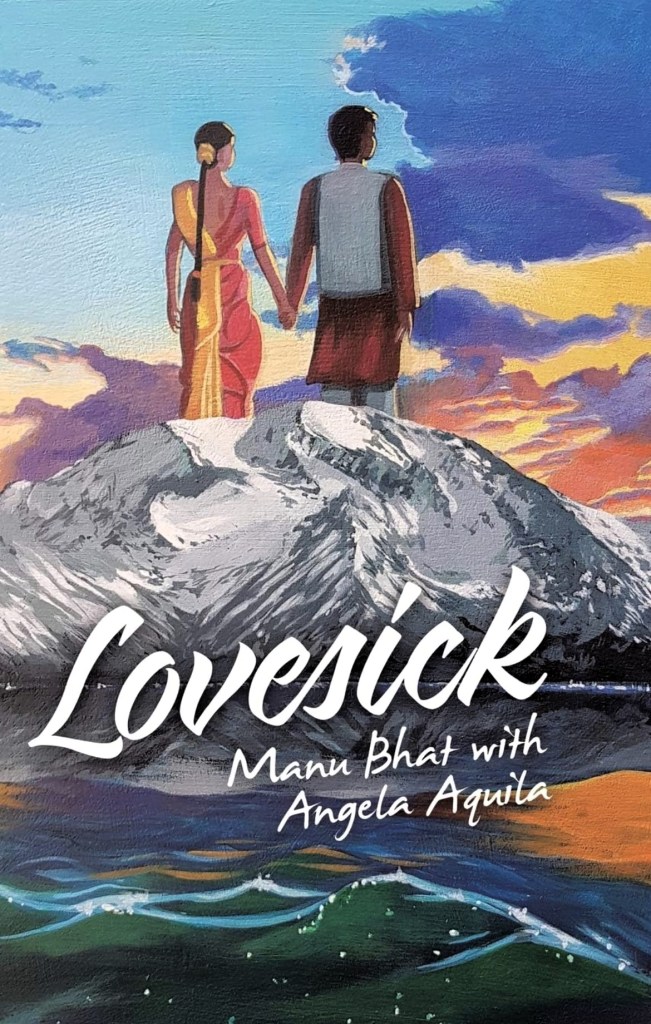
It premiered on 15th November 2017 in New York City at the DOC NYC Film Festival After that it was featured and won several awards in various festivals both in India and abroad. We travelled to a few of the festivals where the documentary was featured. A book by the same name was released in 2019. I co-authored it with a friend and it is available on Amazon.
Tell us about your experience with Nichiren Buddism and how it has helped you.
I got into Buddhism and chanting in 2003. I was a very angry person, very upset about all that I had to go through in my life, and the stress and stigma that I felt after becoming HIV positive was very difficult to deal with. My anger and frustration spilled over and began to affect my relationships with my friends and colleagues. I would feel very bitter and negative about my coworkers and it impacted my relationships with them. One of my co-workers who understood that my feelings of hostility stemmed from a lack of self-worth and deep-rooted resentment introduced me to the practice.
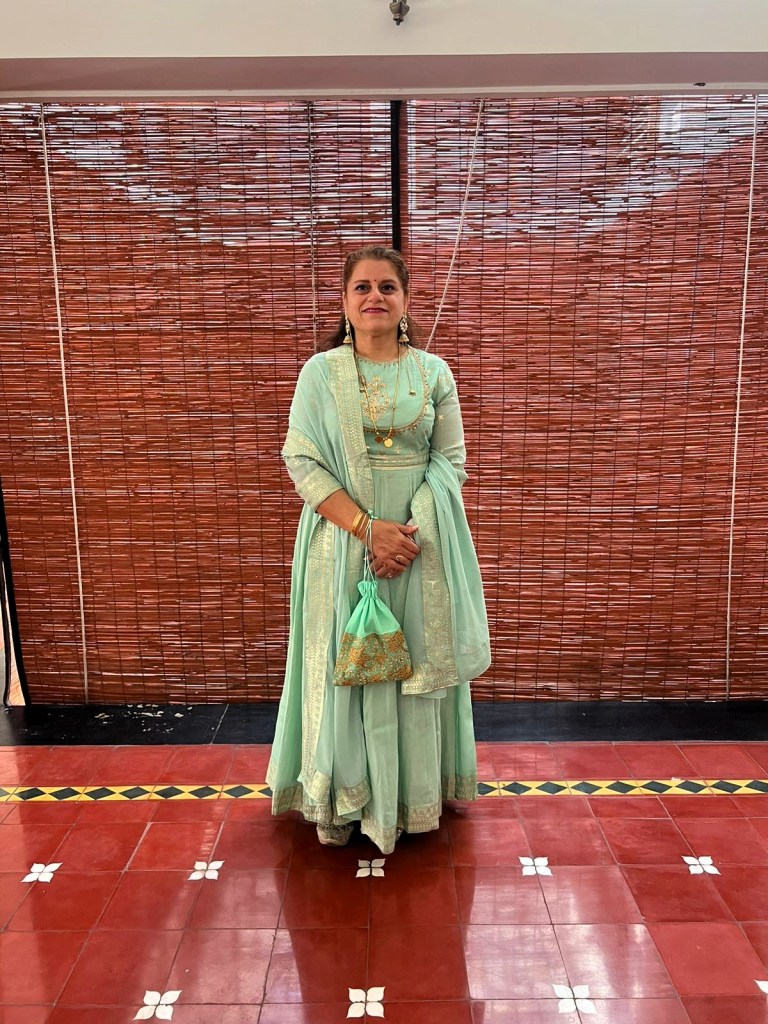
I found the chanting very soothing and it brought me great peace. I started practicing it regularly and it became an essential part of my life. The changes in me were enormous. I became calmer, more focused, and have healthy relationships with people. I could put aside my resentment and hurt and look at people through the lens of empathy and understanding. The change was gradual and even now I am constantly experiencing the transition that is helping me become a better person.
It is very inspiring to hear your story. My final question is what would be your advice to young women who are facing various challenges in their life – weight issues, being HIV positive, having low confidence, or a poor sense of self-worth
I am often called by various organizations that work on HIV/ AIDS issues to create awareness or act as a motivator and role model for others with HIV. It took me a very long time to find myself and be the best I can be. So, this is the message I give to those who are struggling to cope with life and all that it throws on you. Start at the bottom, but remember to constantly walk forward, even if it’s one step at a time. Sometimes life is full of lows, but if we are patient and positive, the highs will come. Stay away from negativity and people who pull you down. Most importantly, put yourself first.
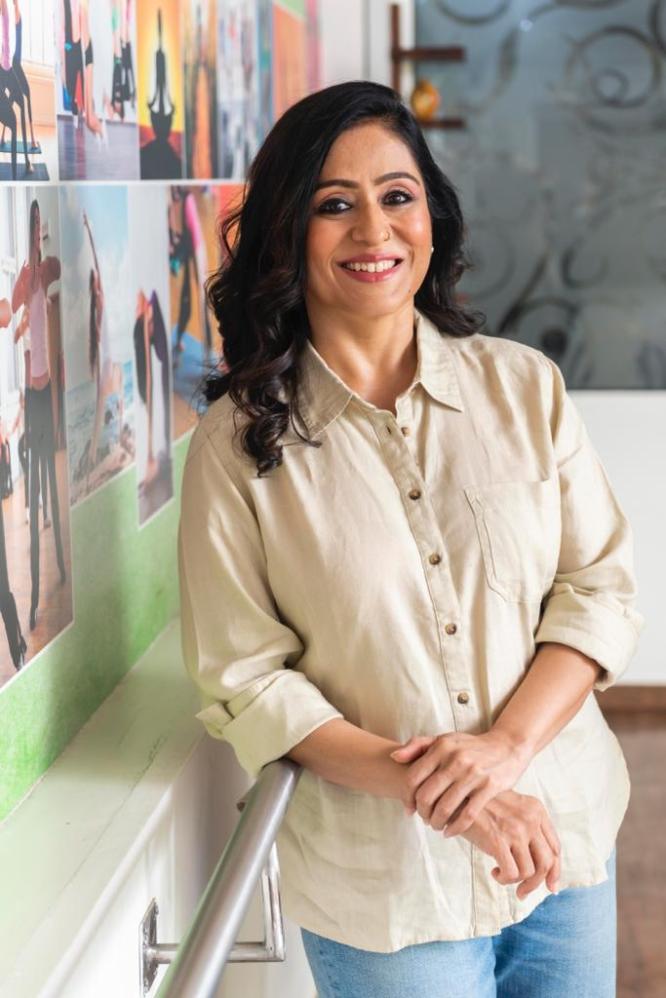



 women uninterrupted