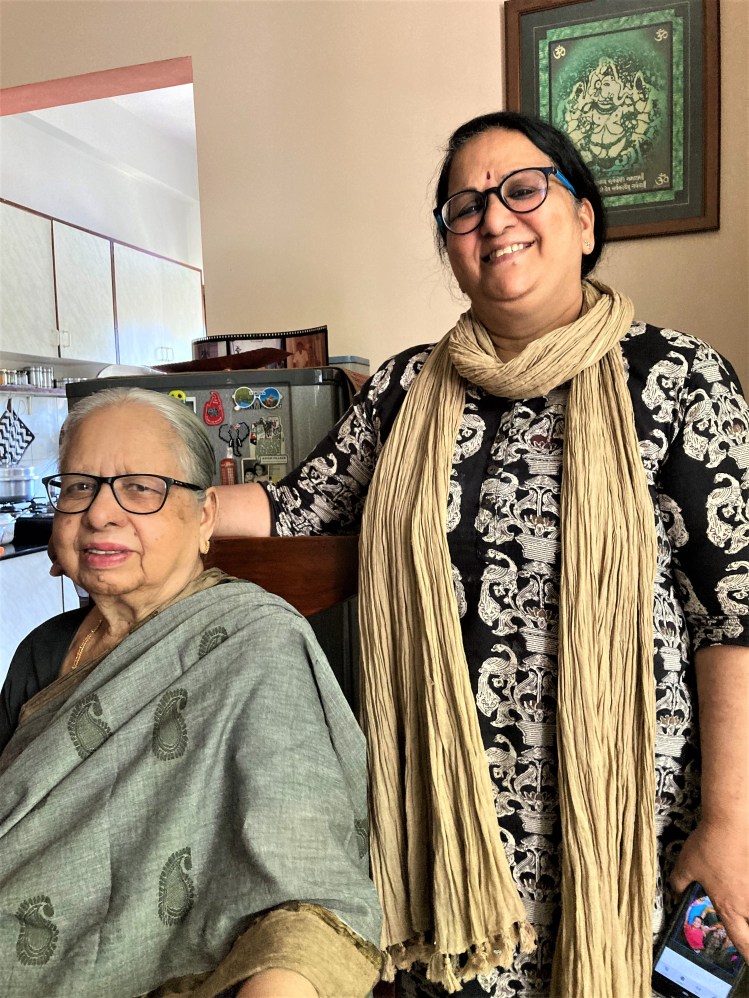
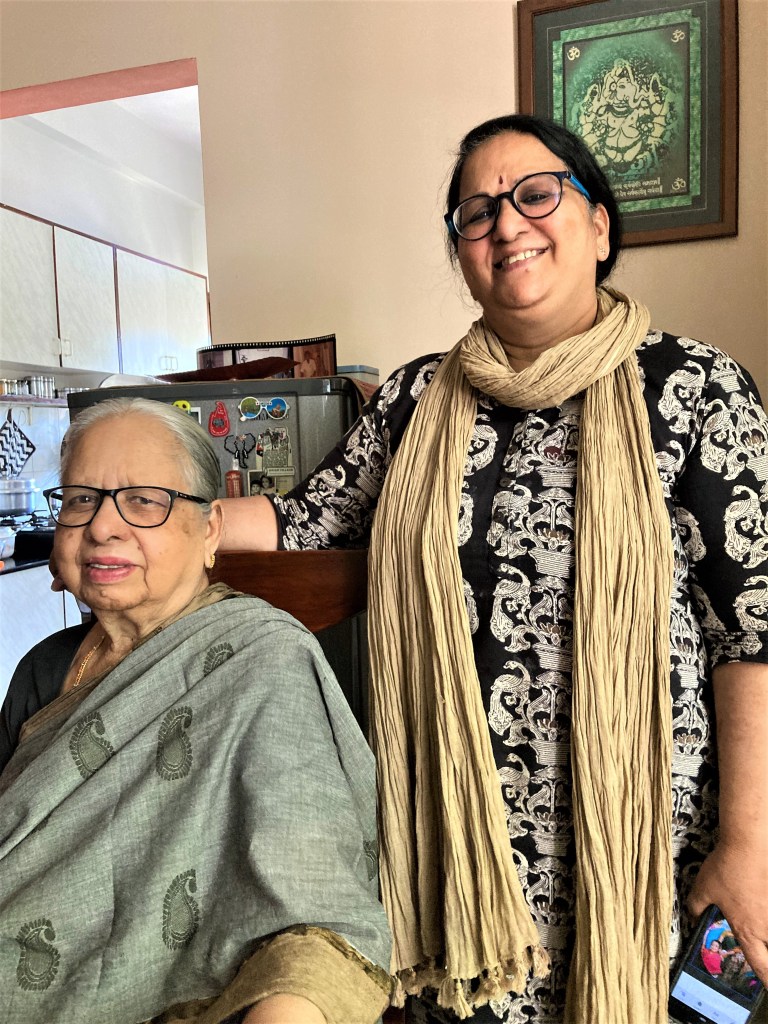
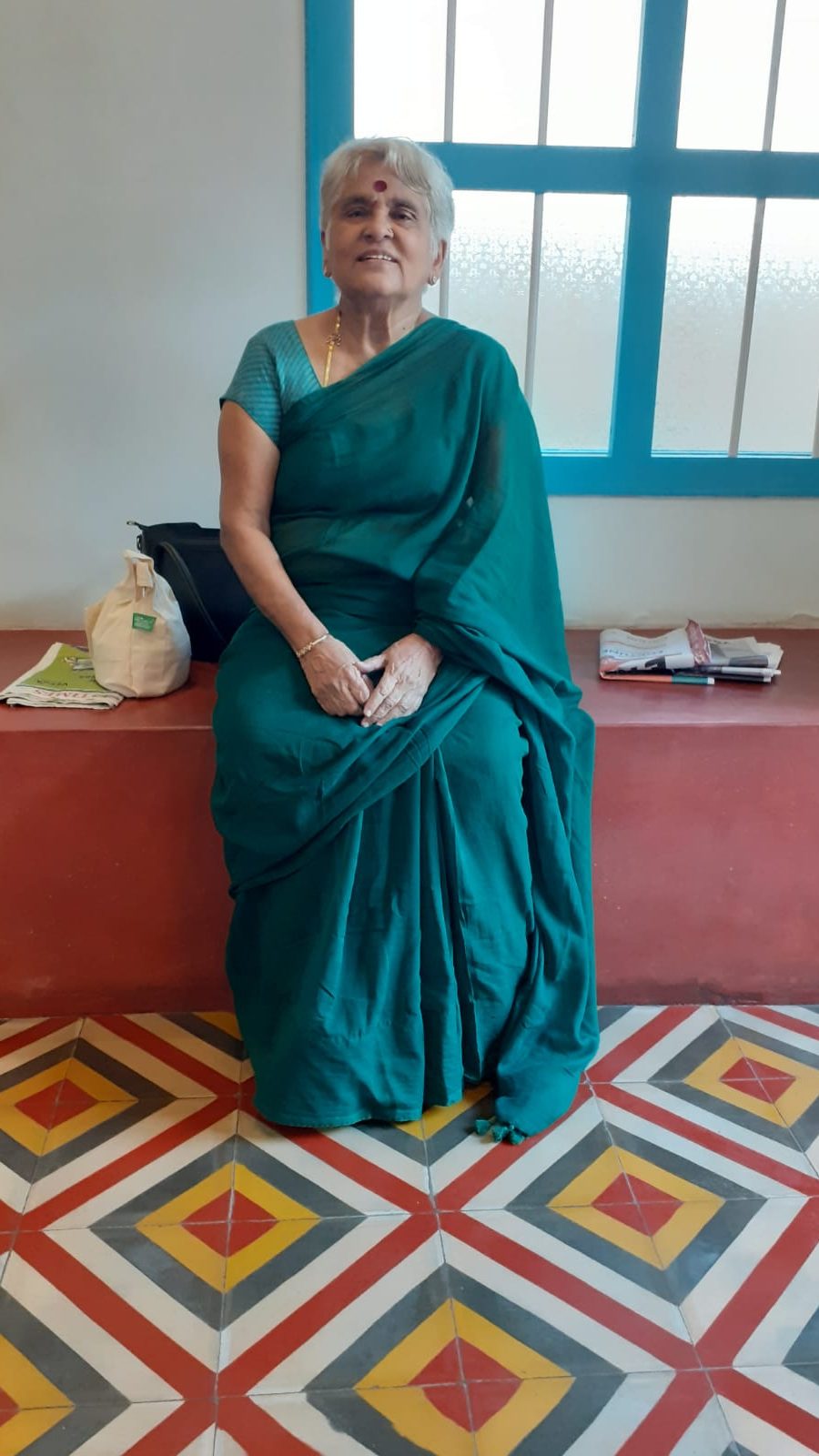
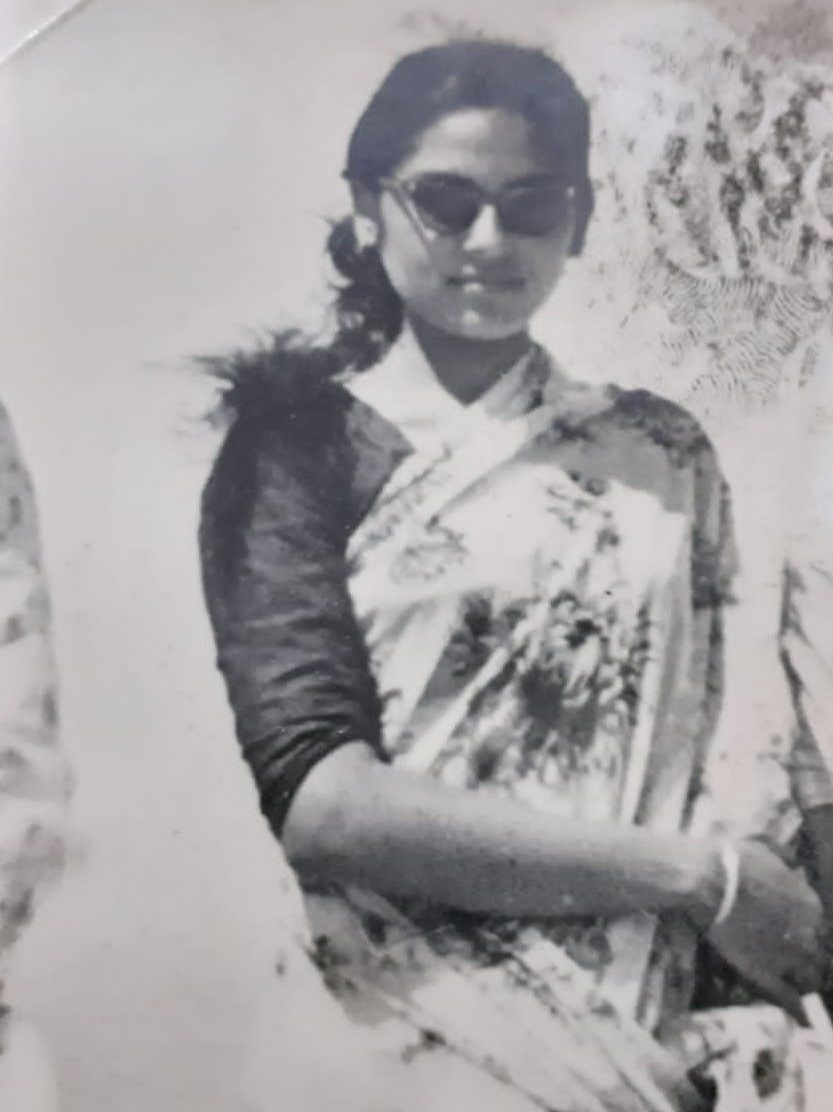
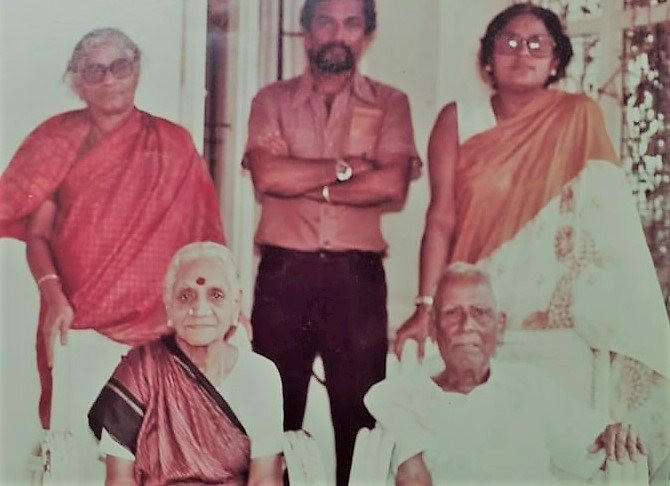
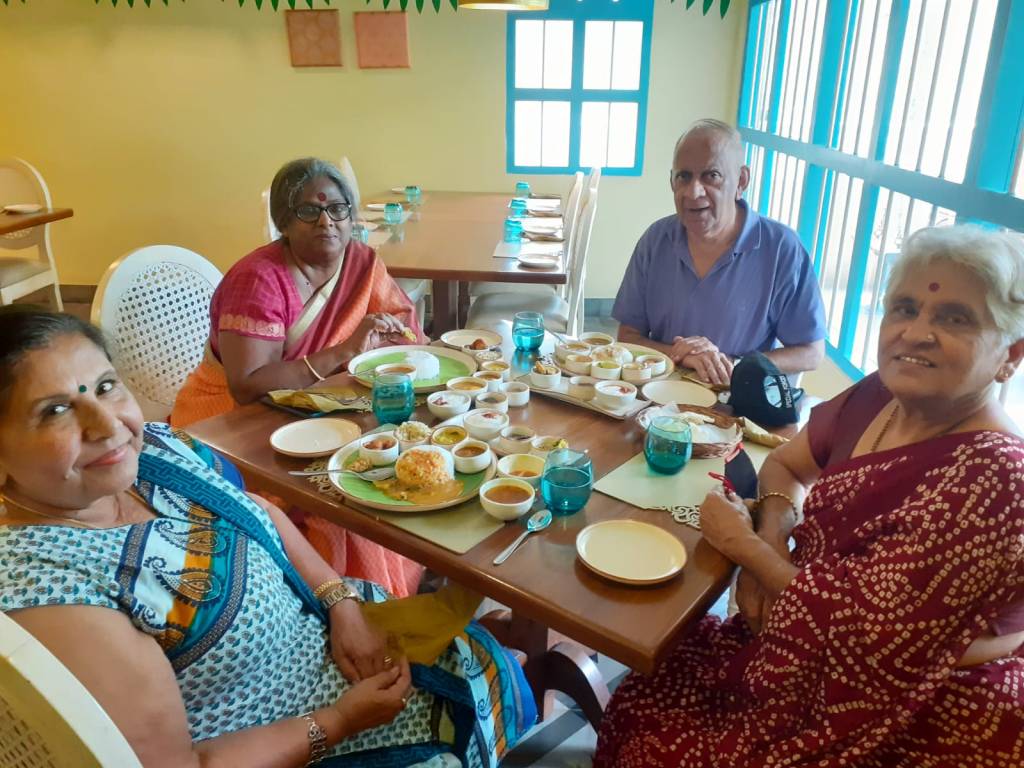
My second blog post features the mother and daughter duo of Vasantha Natarajan (87 years) and Rajashree (Rajee) Vijay (64 years). They are the epitome of simplicity and grace and use their innate qualities of persistence, concentration and empathy to do work that matters to them and benefits others. I have known them both since 1999 and count Rajee as one among my closest friends. Both Vasantha Aunty and Rajee, are examples of courageous women who have in their quiet way, overcome personal trauma and obstacles to discover themselves and their goals. Vasantha Natarajan credits her father for giving her support and guidance during the most difficult years of her life, but it is her immense resolve and focus and dedication that enabled her to walk on a path that most women would be reluctant to take. Rajee Vijay teaches us the importance of staying true to ourselves by following her passion to work with children with disabilities and using experiences in her life as a stepping stone to enrich herself and the world around her. Read on to be quietly inspired.
Vasantha Aunty and Rajee, 1965 was a difficult year but also a pivotal one for both of you?
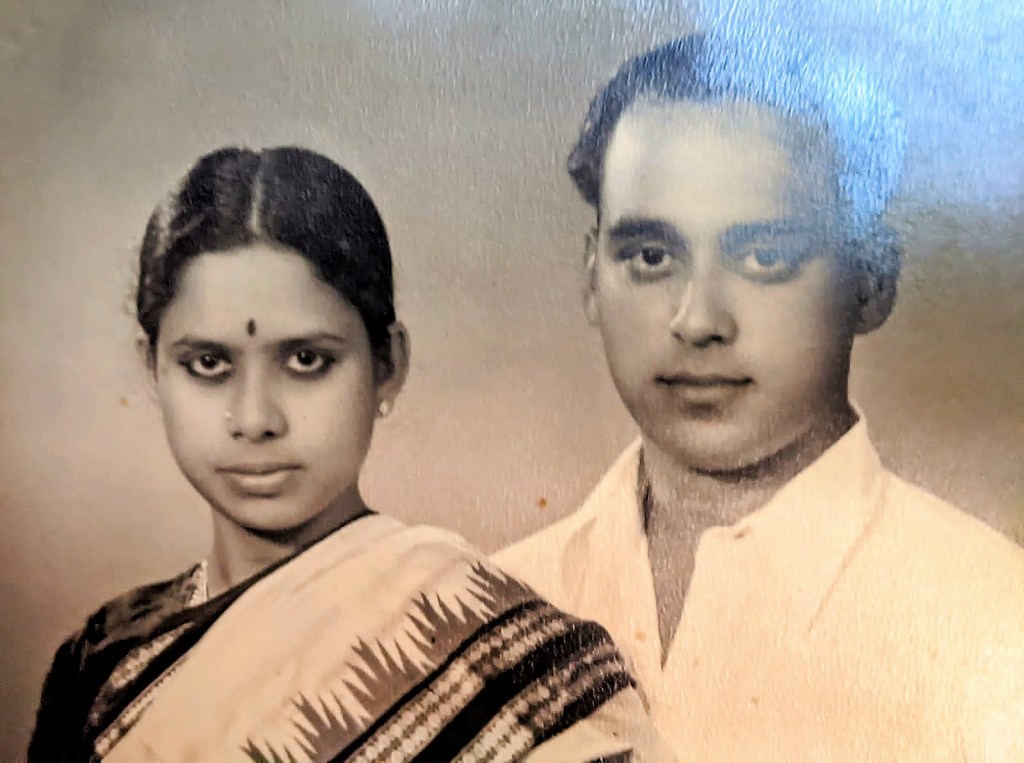
Vasantha Aunty: In 1965, I lost my husband to an aggressive form of Leukemia. I was shattered. He was everything to me and my children. I married him when I was seventeen. I was twenty-nine when he passed away. I felt lost and unsure about my future. My father who was a very progressive man, insisted that I move with my mother and him to Bangalore and resume my studies. Initially my in laws and my extended family were reluctant and not keen about the move. In those days it was rare that a young widow would move away from her family and go to college. But my husband’s cousin who had lost her husband and was a teacher was a great source of support. After 13 years of break in my academics, I did my PUC in Mount Carmel and then my BA(Hons) and MA in History in Central College, Bangalore. On the first day of college, some of my classmates thought I was the teacher. I was so much older than them. But I was determined to do my best. A new window of opportunities suddenly opened for me. I was completely focused on my studies and was determined to give a good life to my children.
Rajee: I was seven and my sister was 10 when we lost our father. I idolized him and the cancer took him suddenly. Even before we could come to terms with his death, we were forced to shift from my father’s village to the city. My mother began to focus on her studies and our grandparents whom we barely knew, took care of us. It was very difficult for my sister and me. In those days, people didn’t quite understand trauma and change. The shift from an idyllic village to a big city, from Tamil to English medium and from a large home to a much smaller house in Bangalore was difficult for me. I even threatened to run away. One of my earliest memories in Bangalore was of me standing outside my mother’s room and crying for her attention.
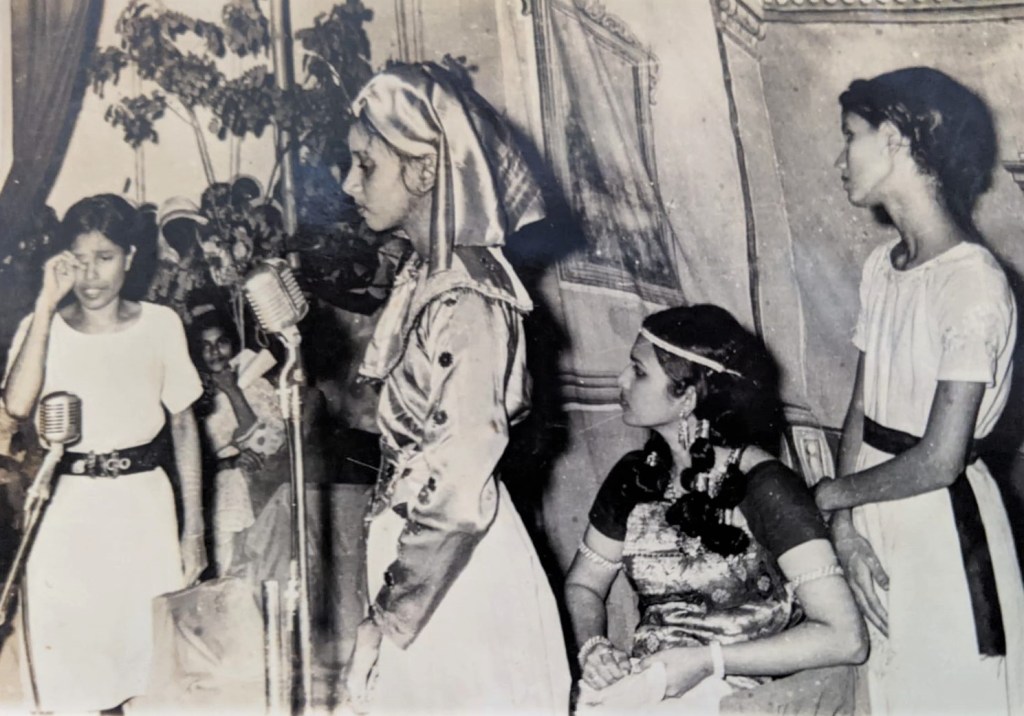
My grandparents were very loving and caring, but they didn’t quite understand our trauma of losing a parent. Our mother always wanted the best for us. But she was very busy with her studies and could only give us limited time. I still feel the loss and insecurity that I experienced in my childhood. Time is a great healer and we slowly adjusted to life in Bangalore.
Vasantha Aunty and Rajee, there is a complete contrast in the journeys you both take after you finish your Masters degrees. Could you tell me a little about that?
Vasantha Aunty: After my MA, I wasn’t sure about what I wanted to do. I responded to an advertisement for a lecturer from the Department for History at the Sarah Tucker College in Tirunelveli in Tamil Nadu. I got the job and stayed in the ladies’ hostel for two years. It wasn’t easy for a widowed Brahmin woman in her thirties to shift to a new town, take up a job and live in a hostel. I had no teaching experience and had to learn to give history lectures about ancient Sangam Era History in formal Tamil. Living away from my parents and my daughters was particularly difficult. But my colleagues were very helpful and supportive.
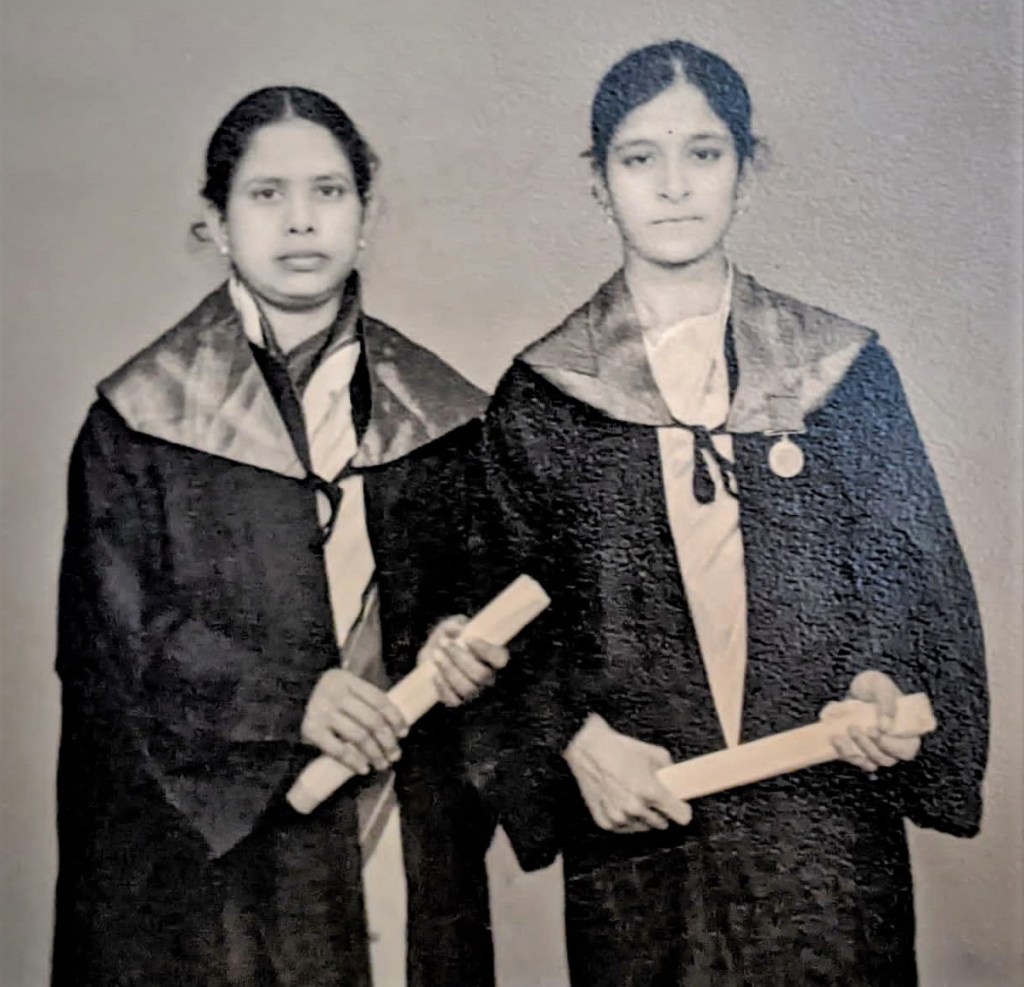
Within four years, I became the Head of the Department of History, superseding some of my colleagues because I had the necessary qualifications and experience to do so. Its wasn’t easy as some of the other lecturers resented me. But I also got a lot of support from the Principal and the other Department heads. I was Head of the Department from 76 to 81. In 1980, at the age of 45, I went to Annamalai College to do my MPhil. This was a one-year programme and my thesis topic was Dr Annie Besant’s contribution to upliftment of Indian Women. I had a wonderful time visiting the various archives in Chennai to collect information. I finally retired in 1981.
Rajee: I finished my school and shifted to Tirunelveli to do my graduation. The shift back to a small town was not easy for me. At home, we were part of a joint family and grew up in a fairly conservative environment. My grandfather was progressive but also fairly authoritarian. We had to wear half sarees and (later) sarees and were discouraged from wearing anything, perceived as modern. To date, I feel uncomfortable if I wear anything other than a saree.
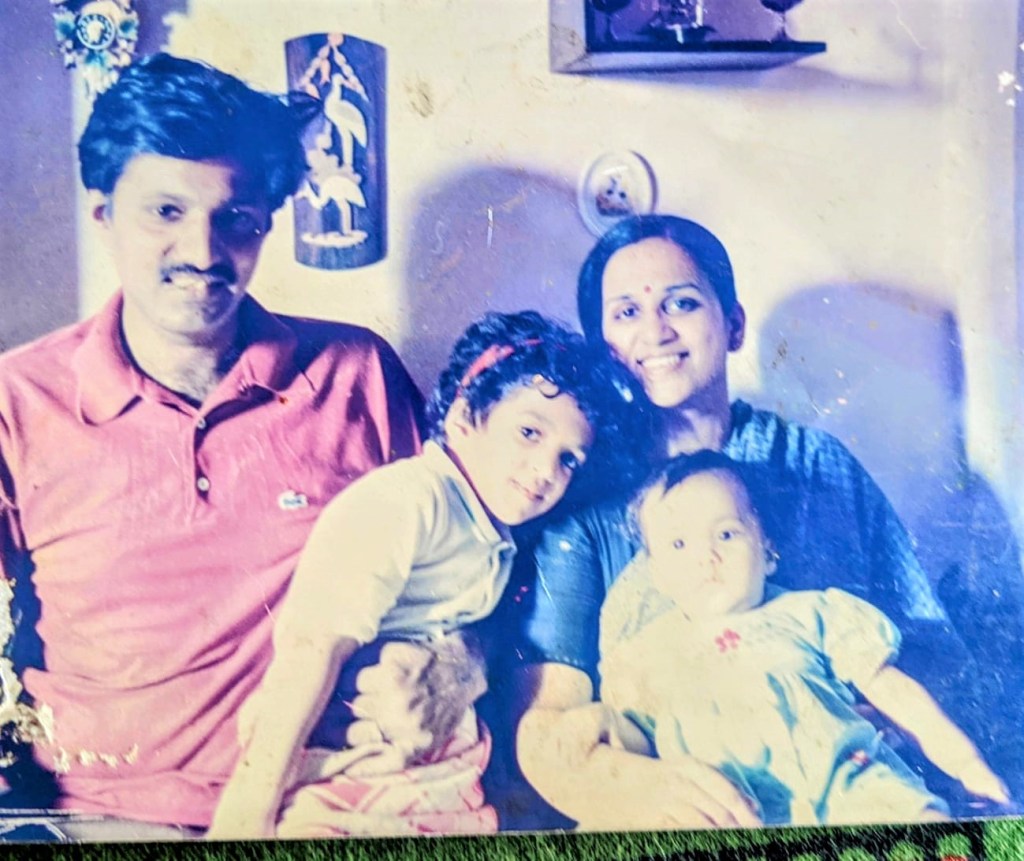
I wanted to work as a teacher and do my B Ed, but my dreams were put on hold. I had an arranged marriage (like most other women in the 70s). As with most Indian families, the elders wanted to be done with their duty of getting the daughters of the family “settled.” A suitable match was found, while I was doing my MA. I. I was particular that I would finish my studies before I got married. After marriage I moved to Mumbai from Tirunelveli and this shift was reminiscent of my childhood where I had to move from a town to a city and adjust to new people and a new environment. I wanted to take up a job in Mumbai but again, my in laws and husband were not that keen. My husband was a wonderful man, but a product of the 70s and very protective. He used to say “You don’t speak the language (Hindi). Using local transport and getting into a train will be difficult for you”. I started taking tuitions at home and also taught English in a tutorial. I wanted to volunteer in a special school but found that the school was located far away from my residence. Again, travel was an issue and I decided that it wasn’t for me. We moved to Dubai in 89 and then back to Bangalore in 2000. I continued giving tuitions. But there was always this feeling of inadequacy and of not feeling complete. I felt that I was a mere extension of my husband.
This is a question for you, Vasantha Aunty. In the 70s, it was rare to see a working middle-aged woman from a middle-class upper caste family. How did you feel about that and how did your family feel about that?
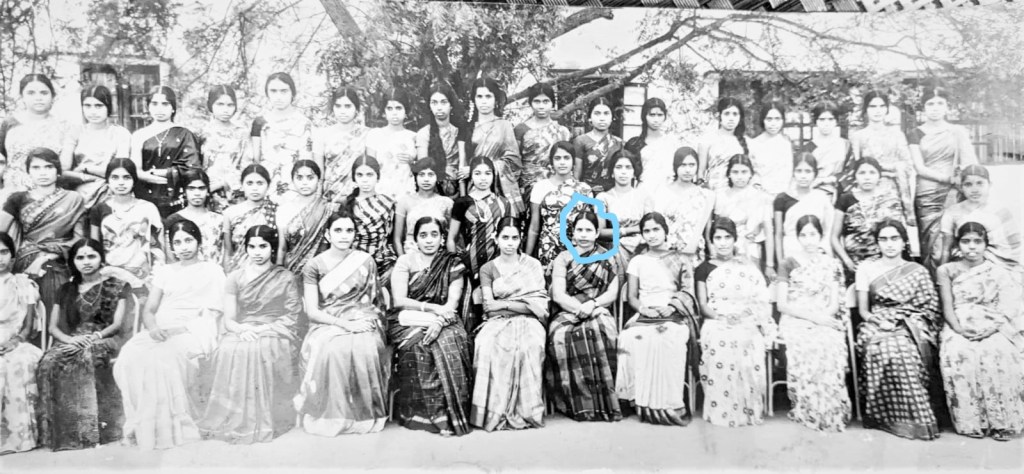
I felt both apprehensive and happy. Apprehensive because I wasn’t sure about myself and my ability to cope with the job. It took time to build up my confidence and believe and see within myself all others saw in me. I was economically independent and this gave me a tremendous boost of self-worth and strength. My father and brother hinted at remarriage, but I was not willing to get married again. Besides I had tasted freedom, was an independent woman and not dependent on other members of my family. I could take care of my children financially and get them all that they desired. When my father passed away, I missed him terribly, but I took control of my life and began to manage my own finances. My in laws respected and appreciated my achievements and supported me, even though there was opposition initially.
After you retired, Vasantha Aunty, your life went through a transition. From a Professor and Head of the Department, you became a care giver? How did that transition make you feel?
My father died in 1984 and I had the responsibility of taking care of my mother, who was gradually losing her eye sight. But between 1996 and 98, I also had to be a care giver to my youngest sister who was suffering from breast cancer. It wasn’t easy dealing with both of them. But I am a patient person and adjust to a situation even when it is difficult. I am not reactive. Being adaptable is not always a good thing but it has helped me deal with many situations in my life.
Rajee, after a quiet life of a homemaker, you experienced a major upheaval in 2005. Please tell me a little bit about that.
My husband took up a job in Tanzania in 2004. The children and I decided to stay back in Bangalore. One day, I got a call that my husband, Vijay, was in a coma and in the hospital. I had never been to Africa and it was difficult for me to go there alone under such circumstances. It was a very traumatic period for me and the man who had always been there for me and promised to look after me was in a coma. Those days spent in the hospital seemed like a lifetime. My husband passed away and it was almost surreal coming back to Bangalore and seeing the shock and utter devastation on my mother’s and children’s faces. My mother was particularly upset because I now shared the same fate as her.
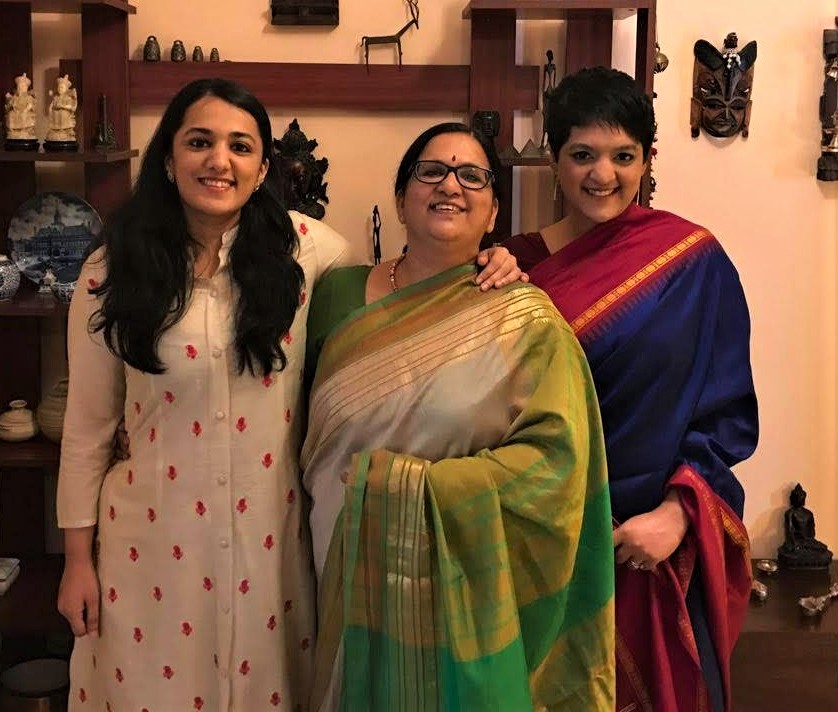
I didn’t know how my children and I were going to cope. I wasn’t sure about how I was going to pick up the pieces of my life and start again. Counselling helped me and my children to a great extent. It took me three to four months to start functioning again. Here, I must give a lot of credit to my mother who was extremely supportive. She was like a rock, supporting me and my children and standing by the decisions I took. I couldn’t have made it without her.
Every cloud has a silver lining, they say. And in your case, Rajee, out of something terrible, came something good.
Out of this very traumatic incident, came a turning point in my life. A few months after my husband’s death, my sister’s friend asked me to volunteer with the Spastic Society of Karnataka. SSK is a special school for children with disabilities. I needed to do something that would take my mind off the terrible tragedy that had taken place a few months ago. Many people discouraged me, they said that it would only make me more depressed.
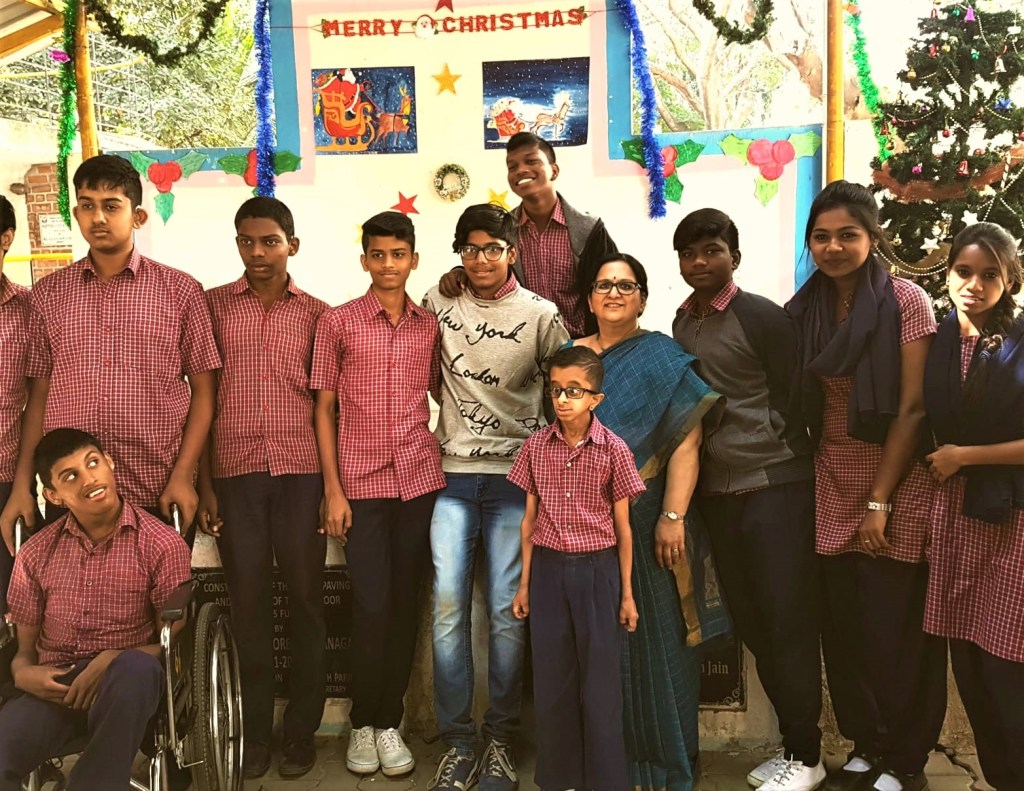
I started as a volunteer at the Learners Center, a unit of SSK which works with children who have fallen through the cracks of the regular education system and gives them an opportunity to learn once again in a stress-free environment. The Principal of Learners Center, was a mentor and encouraged me to teach English to children. For the first time, I felt that I had found my calling. I was able to connect with these children who had various disabilities, many of whom came from underprivileged backgrounds. These children not only needed academic support but also love, affection and understanding. To become a staff member, I had to qualify myself as a special education teacher. At the age of fifty, like my mother at twenty-nine, after a long gap in my education, I went back to college in 2006 and did a one-year certificate course in Inclusive Education.
Its been seventeen years now and I don’t know how the time has flown. It was a challenge working with children and helping them channelize their life and goals in the right direction. Many of the children I started with have graduated high school and then college and are doing extremely well for themselves. Abdul came to the school at eight years of age, not knowing how to read or write. He didn’t know the difference between B and D and 3 and E. He was dyslexic. He started late but I saw that he had immense potential for hard work and the capability to succeed in life. His home situation, like many of my other students was not very good. Parents were often abusive and ignorant and didn’t understand the importance of education. With the encouragement he got from me and my colleagues, he went on to do his graduation in Communication and Journalism at Christ College, Bangalore Today, Abdul is working in a multi-national company called Nielsen and is earning a salary of about 40 to 45,000 Rs a month. Another former student of mine, Jyoti now works in McAfee as an Analyst. She always had a thirst for knowledge and wanted to be an achiever. She used to work for Starbucks in the morning and study in evening college. Many of my other students are doing equally well in terms of their career. Their lives have changed and they have become confident and realized their self worth. They send me appreciative messages on Teachers Day and Women’s Day and visit me regularly. But I feel that I was only a catalyst that helped bring about their inert capabilities which were already existent in them. I continue to teach children with disabilities and hope to turn around the lives of many more children who need a push in the right direction.
In 2016, yet another event turned your life upside down. Rajee, are you ok to talk about it?
I was diagnosed with ovarian cancer. When I heard the news from my doctor, the faces of my daughters and mother flashed before me. The first thought in my mind was “How am I going to break the news to them?” My mother was totally devastated. Instead of her consoling me, I had to console her. The Doctor said that I had caught it early and that it was treatable. My family and friends were very supportive through the surgery and chemo which lasted for six months. Besides the physical side effects of weakness, vertigo and nausea, I was overcome with anger and depression. There was a lot of self-pity within me. Again, it was counselling that helped me. The counsellor told me “You are not a victim; you are a survivor.” I used to keep giving that auto suggestion to myself that I was a survivor. I also counselled others who had cancer. It’s my fifth year of being cancer free and I consider myself blessed.
This is a question to both of you, Vasantha Aunty and Rajee. What would be your message to women who have gone through some form of trauma and want to start afresh?
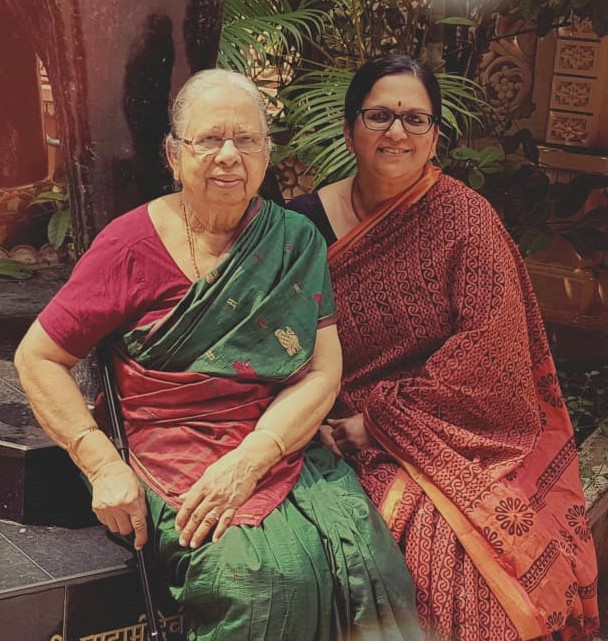
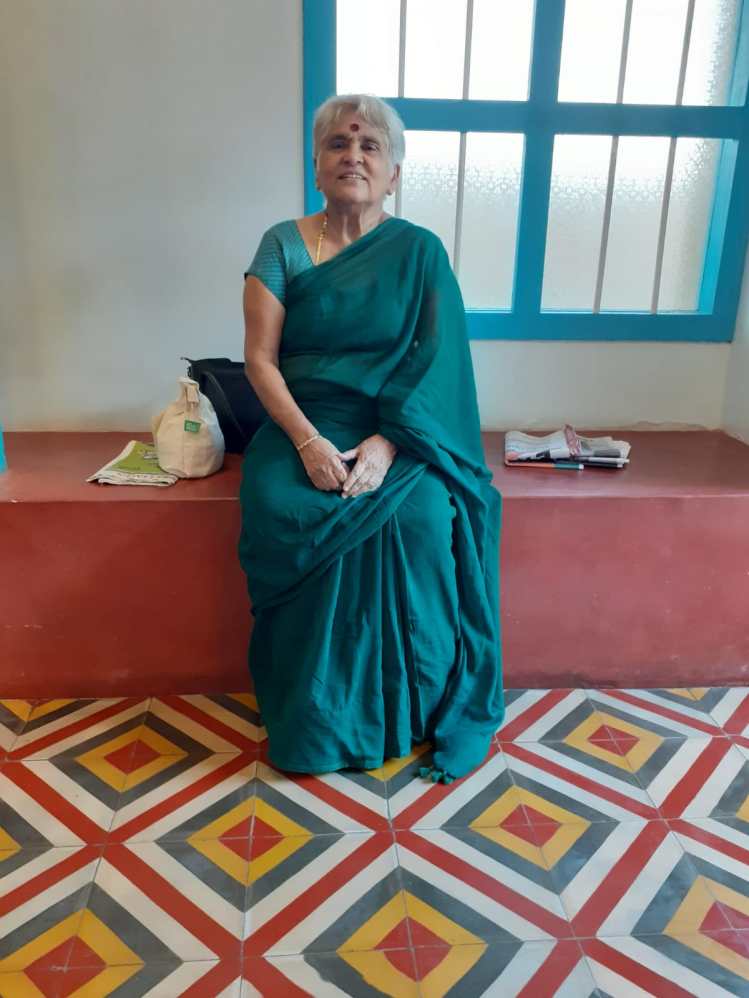
Vasantha Aunty: It’s important to believe in yourself and give it your all-in order to succeed. I was a young girl from the village who was unsure of myself. But my father and several other mentors believed that I had it in me to do well. My determination to educate myself and make a better life for myself and my children helped me achieve my goals. I also believe that my ability to be calm and adapt to a situation has helped me a great deal. That quality has also influenced the nature of interaction between me and others. My calm nature brought out the best in others.
Rajee: It is important to grieve. The time taken to grieve will vary from person to person. Take however long you want but then up pick up the pieces and move on. Every event is a chapter in your life and we need to experience it and then move forward. My husband Vijay was a chapter in my life. I miss him terribly; I wish he were here to see how well our children are doing and to witness the strong person that I have become. But after a point, beyond grief, there is acceptance and the need to take the next step. I have often seen that when mothers of children with disability, get to a point of acceptance about their child’s condition, then there is clarity and the ability to look at what comes next. So, I would say, remember, accept and continue your journey.


 women uninterrupted