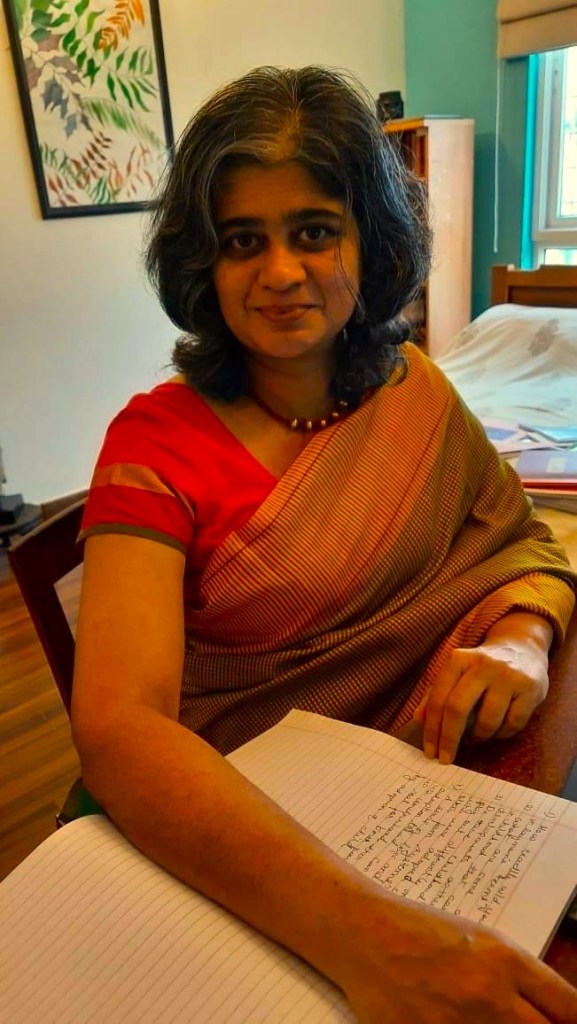
It is said that life comes full circle when you stay the course. And that is what Gayatri Abraham did. She started her life and career unsure about what she wanted to do but was curious and opened herself to diverse experiences and narratives. Through this journey of exploration and learning that began with nutrition and anthropology, branched into marketing and public relations, and eventually culminated in counseling, she discovered a passion and realized a dream that would help close the circle and help and empower others in the process.
Please join me for a conversation with Gayathri that explores how life is a puzzle. When the pieces come together, they reveal a picture that can be meaningful for both us, others, and the world around us.
As a young person, you made very different academic choices from your peers.
I grew up in Mylapore in Chennai and went to Rosary Matric Convent. I had no idea what I wanted to do as a young girl. The traditional programs and courses did not appeal to me, so I moved school from Rosary, which offered conventional streams, to Adarsh Vidyalaya, which offered a course in Nutrition and Dietetics. After my graduation, the traditional opportunities in the nutrition space, which were few and far between, did not strike a chord in me.
The prospectus of the University of Madras mentioned a Master’s Course in Anthropology. At that point, it seemed like an obscure subject. Still, with some research, I realized that one could incorporate nutrition into an anthropological setting. The course opened up my mind to a world beyond Mylapore and Chennai.
For my thesis, I did research with the Betta Kurumbas. I explored their rituals, culture, livelihood options, and aspects such as kinship, relationships, lifestyle, etc. I studied their dietary habits – the food they grew and ate, nutrition (malnutrition) among women and children, etc. It was fascinating to see how nutrition connected to anthropology. Post my master’s, I worked on a project examining the reproductive health and rights of sex workers. It was a real eye-opener for me.
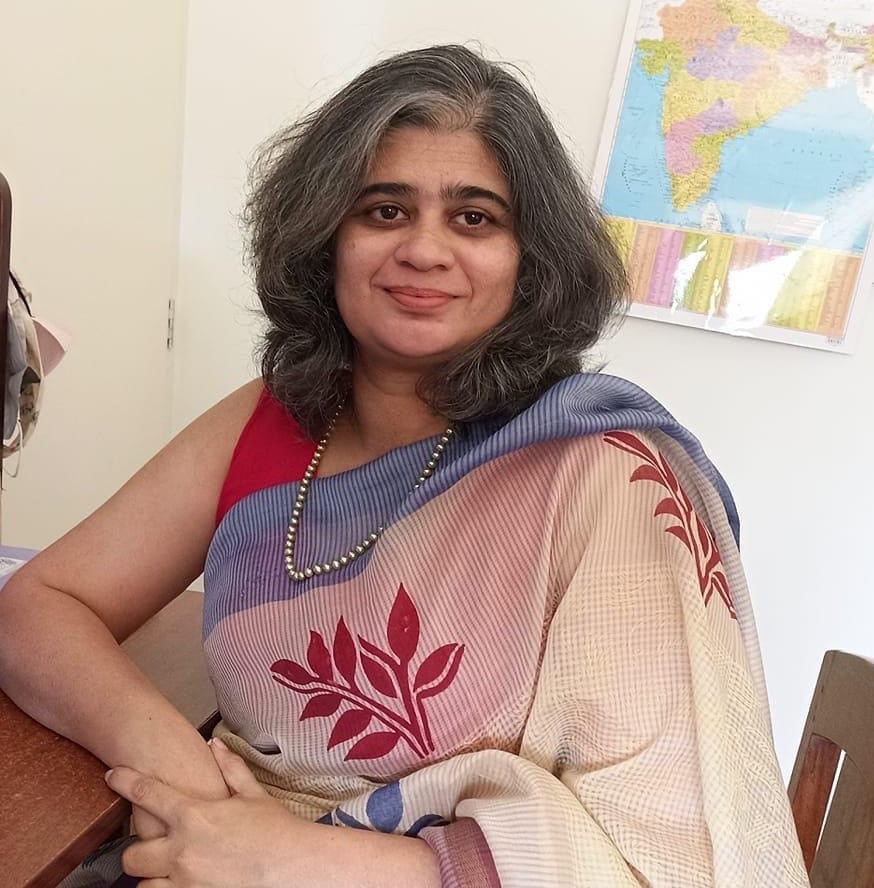
Post Masters, you chose to follow the conventional path as far as your career was concerned, but were there other personal choices that you made different?
After my studies, I had limited options. I chose to go into the hotel and lifestyle space sales and marketing. I did want to go abroad for further studies but did not have the funds to explore it. I got married in my late twenties, moved to Bangalore, and worked in a Public Relations firm. I found it interesting because one interacts with a diverse set of clients with a unique set of requirements. It was essential to understand specific industry sectors and then pitch different stories to the media. In March 2002, my husband and I made an informed choice to adopt our older daughter. With limited resources, my career took a backseat; it did not bother me then. I was ready to experience motherhood and be a full-time mother, which I thoroughly enjoyed. As a diversion from being a homemaker and mother, I took up a lot of small projects, organized jewelry and sari exhibitions, and even explored Tupperware and Oriflame.
A few years later, I adopted my second daughter. Though I was the primary caregiver for my children, I constantly looked for opportunities to hone my working skills. I worked with a publishing house doing sales, marketing, and press releases, in the admin department of an International University and a social enterprise. I also worked on an informal basis with child care agencies and interacted with parents interested in the adoption process. I was able to talk to them based on my experience.
We moved from Chennai to Bangalore again, and the first few years were difficult, and I had some personal issues to contend with. Moving and changing cities and schools took a toll on me.
But these difficult experiences led you to explore new avenues in life, didn’t they?
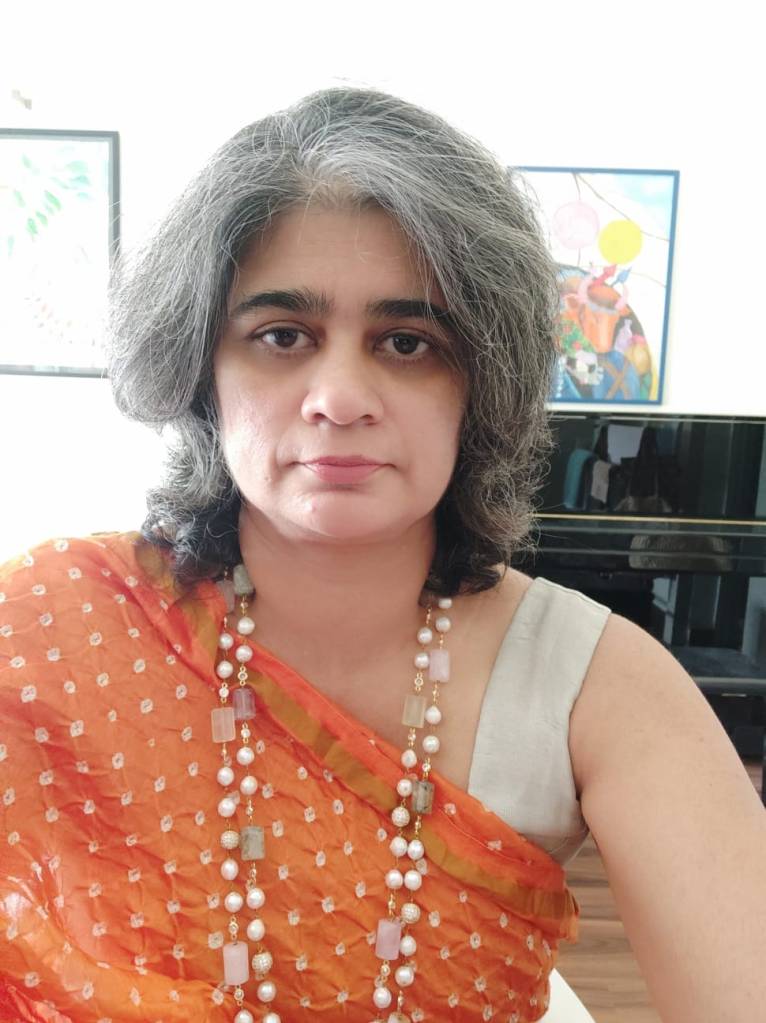
In 2015, I decided that I would do something different. I decided to start studying again. I started by doing a few courses on child and nutrition and social entrepreneurship on Coursera. It was time to consolidate and realign my work and personal goals. I wanted a sense of purpose in life that also gave me a sense of accomplishment and fulfillment.
I had several discussions with friends and mentors about what I could do. My initial plan was to run a child care home where I wanted to take in orphaned and underprivileged babies and children vulnerable to medical health conditions. One of my mentors discouraged me from starting an agency as it required a lot of effort and involved dealing with bureaucracy.
I finally decided to set up an organization focused on adoption, beginning with a website. My varied work experience through the years, and the entrepreneurship course on Coursera, helped me put together content and market it to the right audience. I had been skilling myself all these years without my knowledge.
So that was how Padme, your website on adoption, was born?
A crucial thing that happened in 2015 was that adoption went digital. Couples who were keen on adopting had to register online through the CARA (Central Adoption Resource Authority) website. While it has many pros, it took away that human and emotional connection parents previously had with the various adoption agencies and stakeholders. At that time, my idea for a website on adoption was crystallized.
Padme means Lotus. It is also synonymous with my personal experience in adoption and in my personal growth space. The root of the Lotus is in the muddy waters, but it nurtures the Lotus and provides the support it gets. Similarly, I hope Padme will provide the right environment for parents who want to adopt.
Padme is a one-stop site that provides details on the adoption process, real experiences of families who have gone through the process, and research articles on adoption. Padme also hopes to build a database of stakeholders – medical professionals (gynecologists and pediatricians), mental health experts, parents, and caregivers) and sensitize and create awareness to dispel myths and biases on adoption. Padme also enables parents to explore and adopt a new mindset to approach the adoption process and its nuances.
What is the USP of Padme? How is it different from other similar agencies in the adoption space?
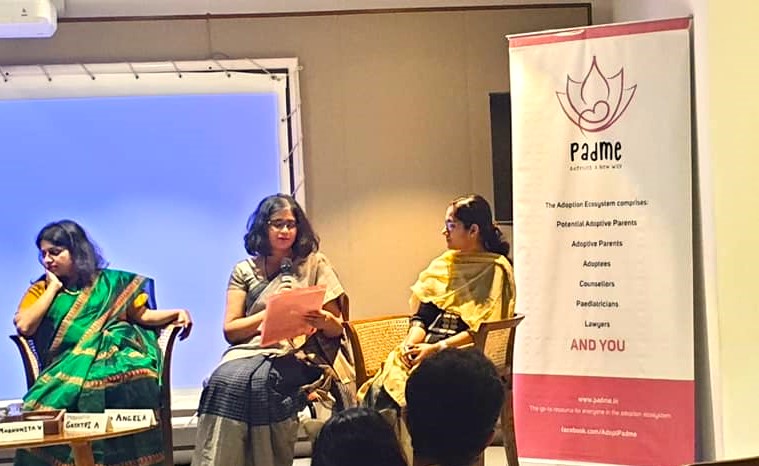
I wanted to bring psychological aspects into the adoption space. We must address issues such as infertility, loss, societal compulsions for adoption, feelings of inadequacy as a parent/ mother, and reasons for adoption. It is essential to understand if adoption is a choice or a fall-back option. These need to be addressed before the parents make choices about adoption. It is also important to provide counseling for parents and empower them to look at the process of adoption from a child-centric perspective.
We counsel parents in their journey’s pre, current, and post-adoption phases. It is also necessary that parents vocalize their fears and concerns about adoption. We also partner with key stakeholders such as pediatricians, who play a vital role in adoption.
After the child comes home, the first point of contact is with the pediatrician. It is crucial that the pediatrician is nuanced, sensitized, and has a neutral, unbiased opinion about children from institutions. The professional needs to understand the developmental, nutritional, and emotional milestones of such a child and deal with parents with both sensitivity and empathy.
Your work with Padme led you into counseling, did it not?
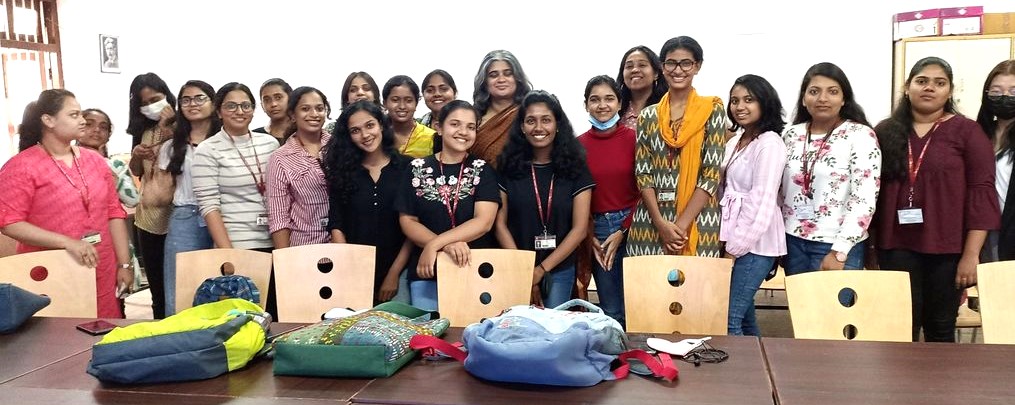
I think being on the other side of the fence is essential. At Padme, we want to be neutral and unbiased and not judge the parent/ client who is seeking our help. I decided to train in counseling, so that my opinions were not coloured or distorted by personal experiences. I have done three courses with Parivarthan, a counseling, training, and research center in Bengaluru. Currently, I am pursuing a Masters in Family Therapy and Counselling.
Counseling has undoubtedly broadened my vision and opened my mind to issues beyond adoption. I now work partly with Parivarthan and counsel couples and individuals requiring counseling support. Due to the financial instabilities caused by the pandemic, I started working with a startup that does mental health programs with corporates. This experience made me realize the difficulties of getting back to mainstream work after a long break and at my age. I was given short shrift at work, and when things started to ease, I decided to quit and focus on Padme Foundation and my consultations with clients from Parivarthan alongside completing my course.
Tell us about your latest venture, KAGE Counseling.
I am encouraged by the success of Padme. I have decided to broaden my work to include holistic counseling and therapy. KAGE, which means shadow in Japanese, is a separate vertical broader in focus and comes under the Padme Foundation. KAGE is about recognizing, acknowledging, and working with our shadows. Besides the conventional forms of therapy and counseling, we also want to integrate alternate forms of healing. These may include somatic conditioning (this approach prioritizes the mind-body connection in treatment to help address physical and psychological symptoms), movement therapy, food therapy, yoga, mindfulness, etc., to provide a holistic approach.
In 2021, the UN mentioned mental health as an essential and pertinent aspect of health that impacts everyone. As we live in an unequal world, awareness and access to resources differ for everyone. KAGE is in its infancy, but I would like to make counseling accessible to all members of society, even those on the periphery. I would like to empower all individuals to overcome challenges and recognize and harness their immense potential. We want to be able to offer these sessions at a very minimal and affordable cost to those who do not have the financial resources to opt for support.
On a personal level, you are a practicing Buddhist. Tell us a little bit about that.
I met a lady who practiced Soka Gakkai (a Japanese Buddhist religious movement based on the teachings of the 13th-century Japanese priest Nichiren). The concept of chanting, central to Soka Gakkai practice, appealed to me. What is most interesting for me is how one can attain Buddhahood even in this lifetime. The universality of the concept resonates with what I do in my space of adoption and counseling.
If you were to look back at your life, do you feel life has come full circle?
Yes, it has (laughs…). It has been an organic growth. I have always been curious to learn and explore, not because it has a specific monetary value attached to it, but because I saw personal development in different spaces. Each piece in the puzzle has been unearthed. My focus on nutrition, anthropology, adoption, counseling, and my Buddhism practice have come together as components that fit into the whole. Each area is interconnected, and they come together seamlessly to bring me to this point in my life. When you are searching for something but are unsure about it and don’t know what it is, the Universe conspires and opens pathways for you to achieve it. One needs to recognize it and embrace it.
“
 women uninterrupted
Hi Priya – just to say this is another lovely life-story – so many accomplishments by Gayatri!
Love,
Judith
LikeLiked by 1 person
Thank you Judith. It means so much to me that you like it
LikeLike
What a wonderful interview with someone who’s doing such wonderful and important/necessary work. I loved reading this!
LikeLiked by 1 person
Thank you Anu for your lovely comment. Do share the blog with friends who may be interested
LikeLike